
Why Rivalries Matter So Much to Sports Fans starts with identity. Rivalry games trigger autobiographical memories, sharpen loyalties, and make ordinary wins feel like personal triumphs. Fans experience louder cheers, tighter knots in the stomach, and longer postgame conversations after rivalry results. This piece explains the psychology, social power, and cultural forces that turn matchups into rituals, and it shows why a single game can shape someone’s week, city mood, or social life.
Key Takeaways
- Rivalries intensify fan emotions by linking team outcomes to personal and social identity, making wins feel like personal achievements.
- Rivalry games foster strong community bonds as fans unite through shared rituals, chants, and collective memories.
- Long histories and memorable moments transform rivalries into epic stories that keep fans engaged across generations.
- Rivalries boost economic activity by increasing ticket sales, media viewership, and local business revenue on game days.
- Healthy rivalry passion encourages positive social activities and inclusivity, while unchecked intensity can lead to toxicity and exclusion.
- Implementing fan conduct codes and welcoming rituals helps maintain rivalry excitement while ensuring safety and respectful behavior.
The Emotional And Psychological Drivers Behind Rivalry Fervor
Fact up front: rivalries produce stronger emotions and a higher sense of self than regular games. Fans report more vivid memories, greater arousal, and bigger mood swings tied to rivalry outcomes. Psychologists call this identity‑based conflict: when a team wins, supporters bask in reflected glory: when it loses, they may feel a personal threat to self‑esteem.


Those reactions are measurable. Rivalry games show spikes in heart rate, galvanize storytelling that lasts years, and increase social sharing after key plays. For many, a rivalry win raises public collective self‑esteem, people post photos, wear jerseys more boldly, and feel a short‑term boost in status among peers.
A vulnerable moment: fans sometimes overinvest, equating team success with personal worth. That mistake fuels extreme reactions, angry posts, impulsive bets, or avoidance of friends who celebrate rival wins. Recognizing this pattern helps fans keep perspective and enjoy the emotion without losing control.
Rivalries And Social Identity: How Teams Build Community
Fact up front: rivalries create tight social coalitions. People define themselves by group membership: teams provide clear in‑group identity and visible rituals.
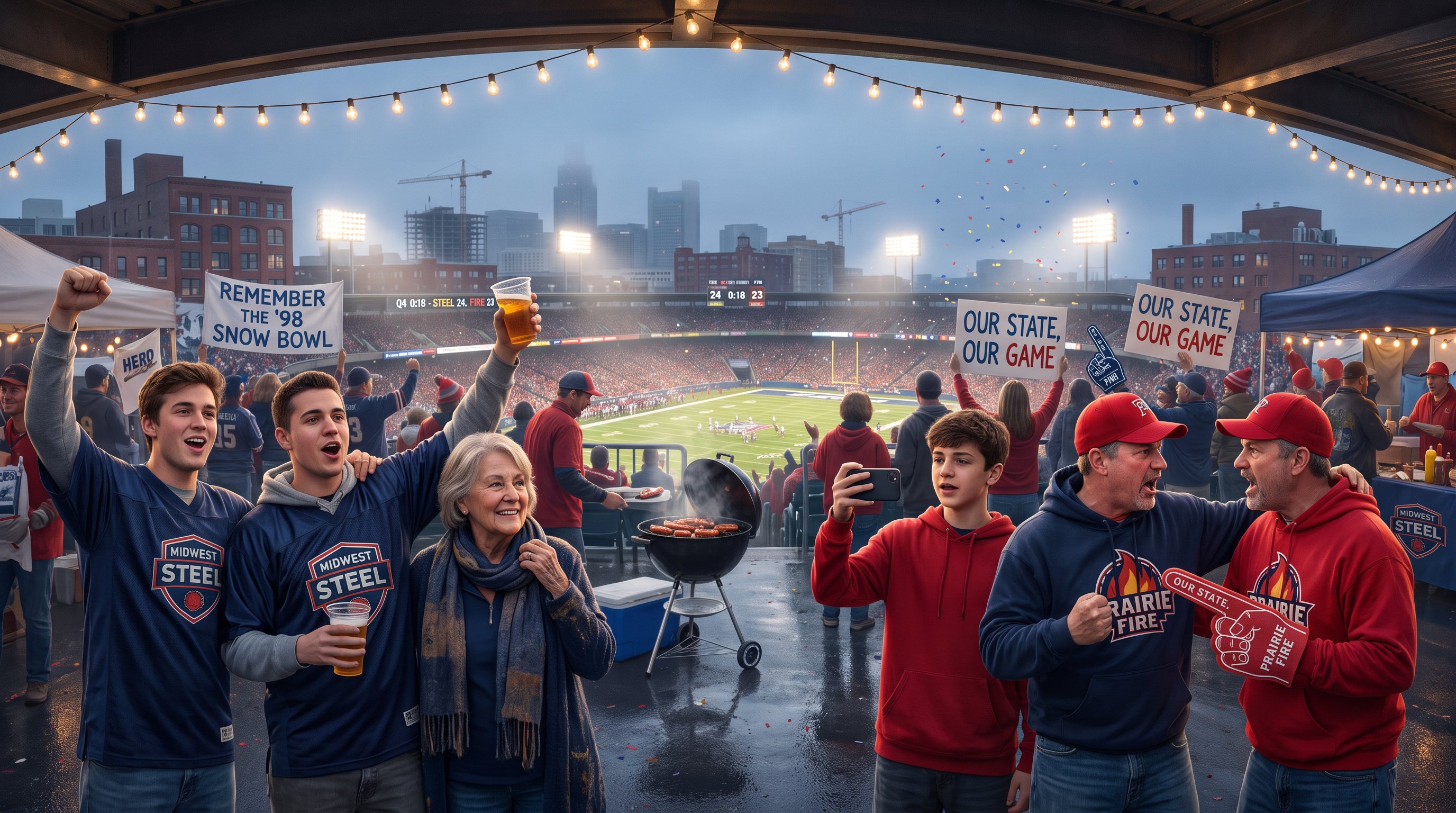
This social identity explains why strangers bond over chants, tailgates, and synchronized rituals. Rival teams serve as salient out‑groups, sharpening in‑group cohesion and distinctiveness. Fans join local bars, online forums, and season‑ticket groups where shared stories, like the 1998 upset or the iconic buzzer beater, become communal memory. That shared memory turns a city block into a social network.
Concrete numbers: research shows fans engage in BIRGing (basking in reflected glory) after wins and CORFing (cutting off reflected failure) after losses: those behaviors affect purchases, attendance, and social interactions. At SportsFanfare, analyses of fan behavior trace how communities form, and readers can explore a broader guide on fan culture in the site’s primer with a short link to foundational coverage: fan culture overview.
Practical warning: community is powerful but exclusionary. Rival identity strengthens belonging but can also ostracize casual supporters or newcomers if rituals become gatekeeping tests.
Storytelling, History, And Tradition: Why Rivalries Feel Epic
Fact up front: long histories and repeated clashes convert matches into myths. Rivalries become stories told across generations.
A precise mechanism: proximity, repeated contests, and memorable incidents, controversial calls, playoff shocks, or local bragging rights, seed narratives that grow into tradition. Fans tell the same game story at family dinners, adding sensory details: the smell of stadium hot dogs, the roar after a goal, the crunch of snow on parking lot pavement during winters. Those details make the rivalry feel epic and inevitable.
Examples help: the NBA’s classic showdowns and the NHL’s heated matchups both lean on decades of contests to build lore. SportsFanfare’s coverage of historic clashes documents how single plays became cultural landmarks: readers can find dedicated retrospectives on the site’s gallery of memorable matchups by exploring pieces on the league histories and greatest clashes such as the legendary NBA clashes.
Lesson learned: a rivalry without stories fades. Teams and media feed the narrative loop, replaying moments, elevating heroes, and maintaining the tension that keeps fans returning.
Economic, Media, And Cultural Impacts Of Big Rivalries
Fact up front: rivalries boost revenue, viewership, and cultural reach. Networks pay premiums, advertisers target matchups, and cities feel economic ripples on game day.
Evidence: rivalry games yield higher ticket sales, elevated TV ratings, and increased merchandise demand. Sponsors favor clear in‑group/out‑group narratives because they drive engagement and recall. Local businesses see measurable traffic, bars report double‑digit sales increases on rivalry nights, and tourism offices sometimes time festivals around marquee matchups.
Media shape the spectacle. Editors and producers package rivalries as must‑watch events: highlight reels and historical features convert single games into season‑long story arcs. For practical context, SportsFanfare’s analysis on fan loyalty and market behavior explores how emotional attachment translates to spending and betting trends in modern sports economies: fan loyalty study.
Cultural impact extends beyond money. Rivalries influence local identity, political metaphors, and artistic expression, murals, songs, and chants that echo civic pride. But there is a caution: media amplification can inflame tensions and reward sensationalism over safety, so leagues and cities must balance spectacle with responsible stewardship.
How Rivalries Shape Fan Behavior, Healthy Passion Versus Toxicity
Fact up front: rivalry pressure splits into positive cohesion and harmful aggression. Much depends on norms and moderation.
Healthy passion shows as increased volunteering for fan groups, coordinated charity events, and intergenerational rituals passed down at family gatherings. Fans rally after victories, organize watch parties, and report higher life satisfaction on game days.
Toxicity appears as aggressive language, online harassment, or physical confrontations. Identity threats, when a rival’s success feels personal, can trigger hostile behaviors. The same psychology that bonds groups can justify exclusion or dissociation of rival fans. Specific examples include stadium bans after violent incidents and social platforms suspending users for harassment.
Practical tactics to keep passion healthy:
- Normalize rituals that welcome newcomers (simple chants, seat‑sharing cues).
- Promote charity tie‑ins for rivalry games to reframe competition into positive civic action. SportsFanfare offers practical coverage for following leagues and staying connected without missing key stories: readers can apply those tips to keep rivalry energy constructive by consulting the site’s guide on following several leagues.
- Use clear fan codes of conduct enforced by organizers and venues.
Honest admission: many fan groups learned rules the hard way, after expulsions, fines, or community backlash. Those lessons led to safer, more inclusive traditions that preserved intensity without endangering people.
Contextual anchors: for sport‑specific rivalry examples and team dynamics, SportsFanfare’s articles on NHL matchups and polarizing franchises give concrete case studies: read about ideal NHL rivalries and profiles of teams many fans love to hate.
Conclusion
Rivalries matter because they intensify emotion, shape social bonds, and drive cultural and economic outcomes. They teach fans about shared history, personal limits, and collective joy. When guided by good norms, rivalries can sustain community and produce memorable moments that last generations.