
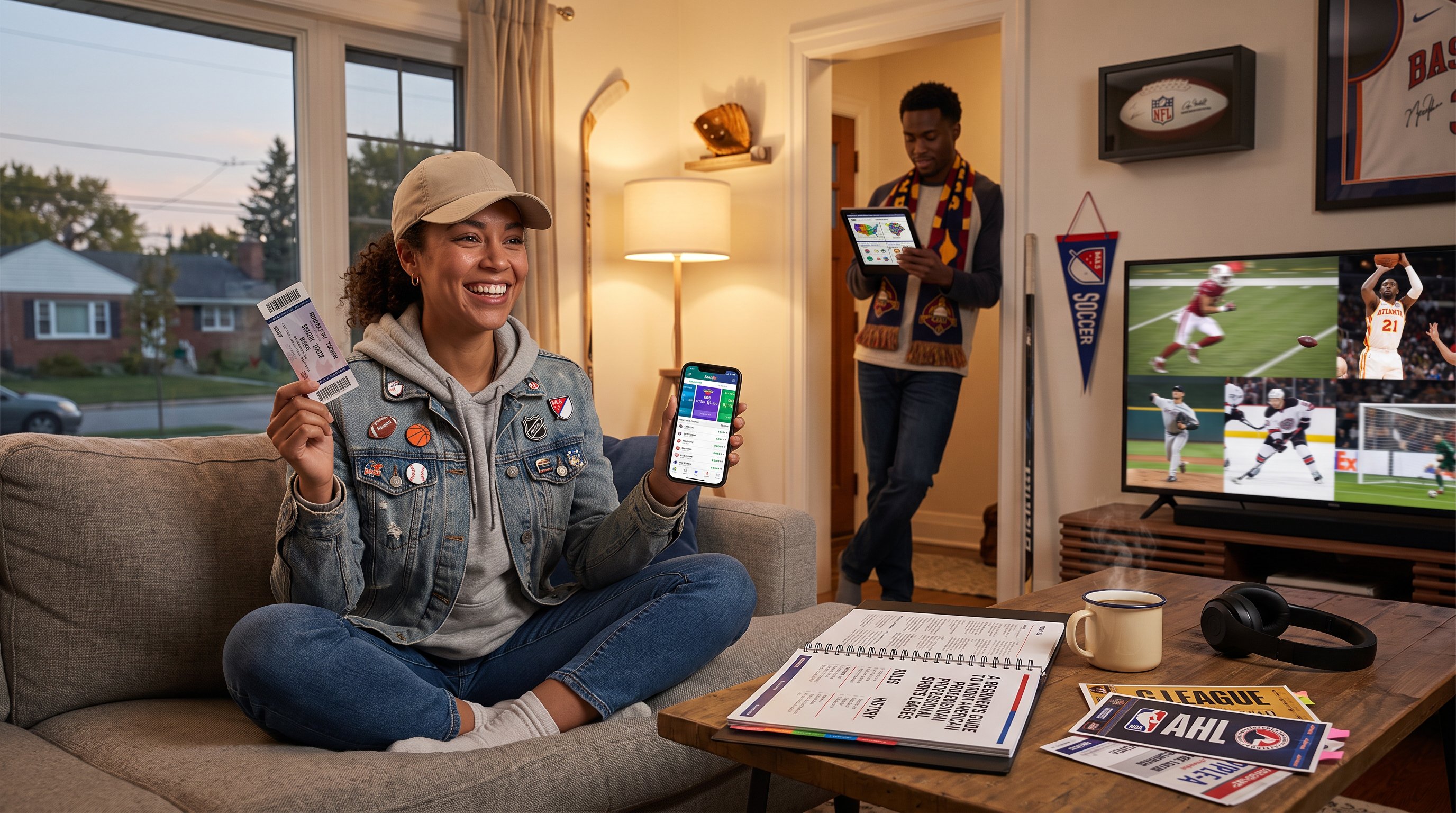
A Beginner’s Guide to North American Professional Sports Leagues helps new fans quickly understand how these major competitions work, who plays in them, and where to start following teams. The guide cuts through confusing schedules, jargon, and broadcast options so readers can pick a league, buy a first ticket, or set up a fantasy lineup with confidence. It focuses on the big five, NFL, NBA, MLB, NHL, MLS, and primary developmental circuits, giving clear, practical steps and honest caveats for new supporters.
Key Takeaways
- North American professional sports leagues like the NFL, NBA, MLB, NHL, and MLS share a regular season plus playoffs structure, with divisions and conferences shaping schedules and rivalries.
- New fans should start following one league and one team to build knowledge and emotional connection effectively, using official resources to understand rules and basics.
- Tickets are best purchased through official or verified sites, with early-season and midweek games offering more affordable options and safer viewing areas available for newcomers.
- Broadcast rights vary by league, so fans can use national broadcasts, local channels, league apps, or streaming services to stay updated without missing key games.
- Engaging with fantasy leagues on official platforms can deepen fan interest by allowing active participation in team lineups and player tracking.
- Responsible betting can enhance fan experience but requires strict budget limits and use of regulated sportsbooks to avoid financial risks.
League-by-League Snapshot: NFL, NBA, MLB, NHL, MLS And Major Secondary Circuits
NFL: Fact, the NFL has 32 teams split between the AFC and NFC. The league runs a 17-game regular season and an expanding playoff field that ends with the Super Bowl. Fans often begin by learning divisional rivalries: that sudden electricity in a kickoff game is the quickest path to attachment. For historical context, new readers who want a deep origin story can read about the league’s past through a short history of the football league that explains moves and mergers.


NBA: Fact, the NBA has 30 teams in East and West, known for star-driven narratives and frequent player movement. Games are high scoring and broadcast globally, which helps casual viewers connect to players quickly. For a primer on related developmental pathways, the G League offers rising prospects and is often the place fans first spot future stars.
MLB: Fact, Major League Baseball fields 30 teams across American and National leagues with long 162-game regular seasons. The long schedule creates day-to-day storylines (streaks, slumps, rookie months). For exact basics about rules and gameplay, official resources help new fans understand innings, outs, and pitch counts, a good complement to narrative coverage.
NHL: Fact, the NHL runs 32 teams with a rugged, fast style built around puck battles and physical play. Attendance and atmosphere are sensory: sharp ice smell, quick whistles, and the sting of sudden-death overtime.
MLS and Soccer: Fact, MLS currently fields 29 clubs in U.S. and Canada with a regular season of roughly 34 matches and expanded playoffs. Soccer’s points-and-goal-difference system differs from American win-loss standings, which is an early adjustment for new followers. The sport’s recent growth is visible through sustained club investment and rising matchday crowds.
Secondary circuits: Fact, the G League, AHL, Triple-A baseball, USL Championship, and USL League One serve as feeders and development steps. Those leagues give fans access to lower ticket prices and closer player development stories. For a wider view of American sports culture and fan practices, SportsFanfare also explains context in a practical primer on fan culture basics.
Season Structure, Playoffs And Key Terms Every New Fan Should Know
Fact, most North American pro leagues use a regular season followed by playoffs to crown a champion. That structure means the objective is to qualify for postseason play, then win through single-elimination or series formats.
Regular season: The regular season measures consistency. In the NFL, each game carries huge weight because there are only 17 contests. The NBA, NHL, and MLB run many games (NBA 82, NHL 82, MLB 162 historically), which rewards depth and endurance.
Playoffs: The NFL uses single-elimination rounds culminating in the Super Bowl. The NBA and NHL use best-of-seven series in later rounds, rewarding adjustments and star longevity. MLB blends wild-card games with series that can shift momentum drastically. MLS playoff formats have changed several times: recent models mix single games and short series. Those variations mean a playoff win can mean different things: a narrow upset in single-elimination or a sustained advantage across multiple games.
Key terms explained quickly: seed, a team’s rank entering playoffs: wild card, a non-division winner that qualifies: conference/division, geographic groupings that shape schedules: best-of-X, number of wins needed in a series: single-elimination, one loss ends a team’s run. New fans who want to read game previews and statistics with confidence can use techniques from an article on reading player statistics to interpret box scores and matchup edges.
Practical tip: start by tracking one player and one team. The identity of a single player reveals tactical choices, media narratives, and ticket demand, all the things that turn neutral viewers into engaged fans. Expect confusion at first: the author once misread a playoff seed and bought the wrong ticket tier, a small, memorable error that accelerated learning.
How To Follow, Watch, Attend And Engage: Tickets, Broadcasts, Fantasy, And Responsible Betting
Fact, new fans can follow leagues by choosing a few reliable sources and setting a realistic engagement plan. Follow too many teams and the detail becomes noise.
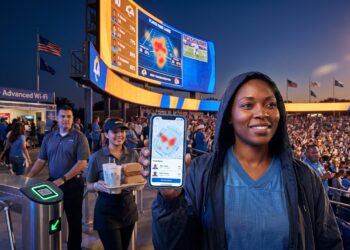
Tickets and attendance: Buy through official team sites, league sites, or verified resale platforms to avoid scams. Midweek or early-season games cost less: rivalry dates and playoffs spike prices. When attending, arrive early to feel the pregame rituals: marching bands, warmups, and local chants. If safety or crowd anxiety is a worry, pick upper-deck sections or family zones, those areas often have calmer crowds.
Broadcasts and streaming: Leagues split national and local rights. The NFL and NBA have major national windows: MLB and NHL mix local broadcasts with national telecasts. League apps and services offer out-of-market packages, and cord-cutters can choose streaming bundles. For step-by-step tips on balancing multiple league feeds without missing key stories, SportsFanfare’s guide to following several leagues is practical.
Fantasy: Fantasy leagues turn passive viewers into invested fans. Start with official league platforms for clean interfaces (NFL, NBA, MLB, NHL). The NFL provides a focused beginner’s guide that covers lineups, waivers, and bye weeks, essential reading before drafting (fantasy basics).
Responsible betting: Only use regulated sportsbooks, follow age limits, and set strict budgets. Leagues and operators provide self-exclusion tools. Betting can be a way to heighten interest, but it also brings financial risk: many fans say a single ill-timed bet taught them to set firm limits. SportsFanfare’s analysis pages show the cultural angles and ethical considerations around betting and fandom.
Conclusion
Fact, North American professional sports share a regular season plus playoffs model and a system of conferences and divisions that shapes rivalry and scheduling. New fans should pick one league and one team, use official league resources for rules, and rely on trusted coverage to build context. Practical next steps: buy a low-cost ticket to a secondary-circuit game, follow one player across social channels, and set a small fantasy or viewing goal for the season.