
Football changes slowly. Tactical ideas often take years to move from experimentation to widespread acceptance, and many trends are difficult to notice while they are developing inside domestic leagues. The World Cup changes that perspective. Every four years, different football cultures collide in one compressed tournament, allowing fans to see the modern state of the sport more clearly than at any other time. The conversation around World cup 2026 already reflects that shift, with analysts focusing less on individual stars and more on tactical flexibility, squad balance, and game management.
The tournament no longer feels like a celebration of pure attacking football. Instead, it functions as a showcase for the sport’s most effective modern systems. Defensive compactness, controlled pressing, rapid transitions, and tactical discipline now define elite international football far more than constant attacking risk. Rather than changing football itself, the World Cup reveals how the game has already evolved behind the scenes.


Why the World Cup Reflects Football Better Than Club Competitions
Club football runs continuously throughout the year. Domestic leagues and continental tournaments provide endless tactical experimentation, but the constant flow of matches can make broader changes harder to identify. The World Cup condenses everything into a single environment where the latest ideas appear side by side.
That contrast makes trends easier to recognize. A possession-heavy team might face a low-block counterattacking side one day and a pressing-oriented opponent the next. Over the course of a few weeks, patterns emerge quickly. Teams that control space effectively tend to survive longer than those relying purely on technical flair or emotional momentum.
International football also increases the importance of structure because managers have limited preparation time. National team coaches cannot build chemistry through daily training sessions for months. Systems must therefore be practical, disciplined, and adaptable. Modern tournaments reward teams that minimize weaknesses instead of chasing spectacle.
You can already see those patterns in how the leading contenders are being discussed for North America, with SportsFanfare’s World Cup 2026 winner betting preview stressing tactical stability, squad depth and in-game adaptability as the real difference-makers between favourites and dark horses.
Compact Defending Has Become the Foundation
One of the clearest developments visible in recent tournaments is the growing importance of compact defensive organization. Successful teams rarely leave large spaces between defensive lines anymore. Midfields stay narrow, full-backs choose their moments carefully, and transitions are managed with far greater caution than in previous eras.
This does not necessarily mean football has become defensive in a negative sense. Instead, the game has become more efficient. Teams understand that controlling space is often more valuable than dominating possession statistics.
Modern defensive structures focus on:
- Limiting central passing lanes
- Reducing transition opportunities
- Forcing opponents into predictable areas
- Preserving energy across multiple matches
- Maintaining tactical shape under pressure
Even traditionally attack-minded nations now prioritize balance over chaos. The idea of committing numbers forward constantly has gradually disappeared from elite international football because tournament football punishes mistakes heavily.
Recent World Cups have shown that one defensive lapse can decide an entire campaign. As a result, coaches increasingly prefer measured aggression rather than continuous attacking pressure.
Pressing Is More Controlled Than Before
Pressing remains essential in modern football, but the style has evolved significantly. Earlier tactical trends often emphasized relentless pressing high up the pitch for long periods. International tournaments now reveal a more selective approach.
Most successful teams press in phases instead of maintaining nonstop intensity. They choose moments carefully depending on the scoreline, opponent structure, physical condition, and game state. Energy management has become one of the most important strategic elements in tournament football.
This selective pressing creates several advantages:
|
Tactical Goal |
Modern Approach |
|
Regain possession |
Press in targeted moments |
|
Preserve stamina |
Reduce unnecessary sprints |
|
Protect defensive shape |
Avoid overcommitting |
|
Control match rhythm |
Alternate pressure levels |
|
Limit counterattacks |
Keep compact distances |
The shift reflects the increasing physical demands placed on players throughout the season. Modern football calendars are extremely congested, and international managers know they cannot maintain maximum intensity every minute of every game.
Instead, efficiency dominates decision making.
Squad Depth Matters More Than Individual Stars
World Cups were once heavily associated with iconic individuals carrying national teams through moments of inspiration. While elite players still decide important matches, modern tournaments increasingly reward complete squads rather than isolated brilliance.
The physical intensity of contemporary football makes rotation essential. Teams must manage recovery, injuries, suspensions, and tactical adjustments across several knockout rounds. Managers who can trust multiple players often outperform teams dependent on one or two stars.
This shift changes how favourites are evaluated before tournaments. Analysts now focus on:
- Bench quality
- Tactical flexibility
- Recovery management
- Positional versatility
- Defensive consistency
The strongest modern squads are usually capable of changing shape during matches without losing structure. Flexibility has become a competitive advantage because opponents vary dramatically across a World Cup schedule.
A team might need patient possession against a defensive opponent, then rapid transitions against a pressing side three days later. Coaches who prepare multiple solutions tend to progress further.
Adaptability Has Become Essential
Perhaps the biggest tactical evolution visible in recent tournaments is adaptability during matches themselves. Fixed systems are becoming less common at the highest level. Managers increasingly alter defensive lines, pressing triggers, and attacking patterns depending on game context.
This flexibility appears in several ways:
- Formation adjustments during matches
- Rotating midfield roles
- Variable pressing heights
- Situational possession control
- Different transition strategies
Modern football rewards coaches capable of solving problems quickly. The World Cup intensifies this because knockout football often turns on small tactical adjustments rather than sustained dominance.
A single substitution or structural change can completely alter the rhythm of a match. Teams that remain rigid frequently struggle against opponents capable of evolving during games.
That broader shift is visible off the pitch as well, with English coverage such as the Financial Times’ piece on new football governance legislation (Financial Times football governance analysis) underlining how the game is being reshaped around sustainability, balance and long-term structure rather than short-term spectacle alone.
Tournament Football Rewards Decision Making
One important reason the World Cup reflects football’s current direction so clearly is that tournament football magnifies decision making. League competitions allow recovery from mistakes over many months. World Cups do not.
Managers therefore prioritize:
- Risk management
- Game control
- Tactical preparation
- Efficient possession
- Defensive reliability
This explains why knockout matches are often cautious. Teams understand that emotional football rarely survives deep tournament runs. Modern success usually comes from limiting instability rather than creating constant attacking chaos.
That broader shift is visible off the pitch as well, with English coverage such as the Financial Times’ piece on new football governance legislation “Financial Times football governance analysis” underlining how the game is being reshaped around sustainability, balance and long-term structure rather than short-term spectacle alone.
The Role of Data and Preparation
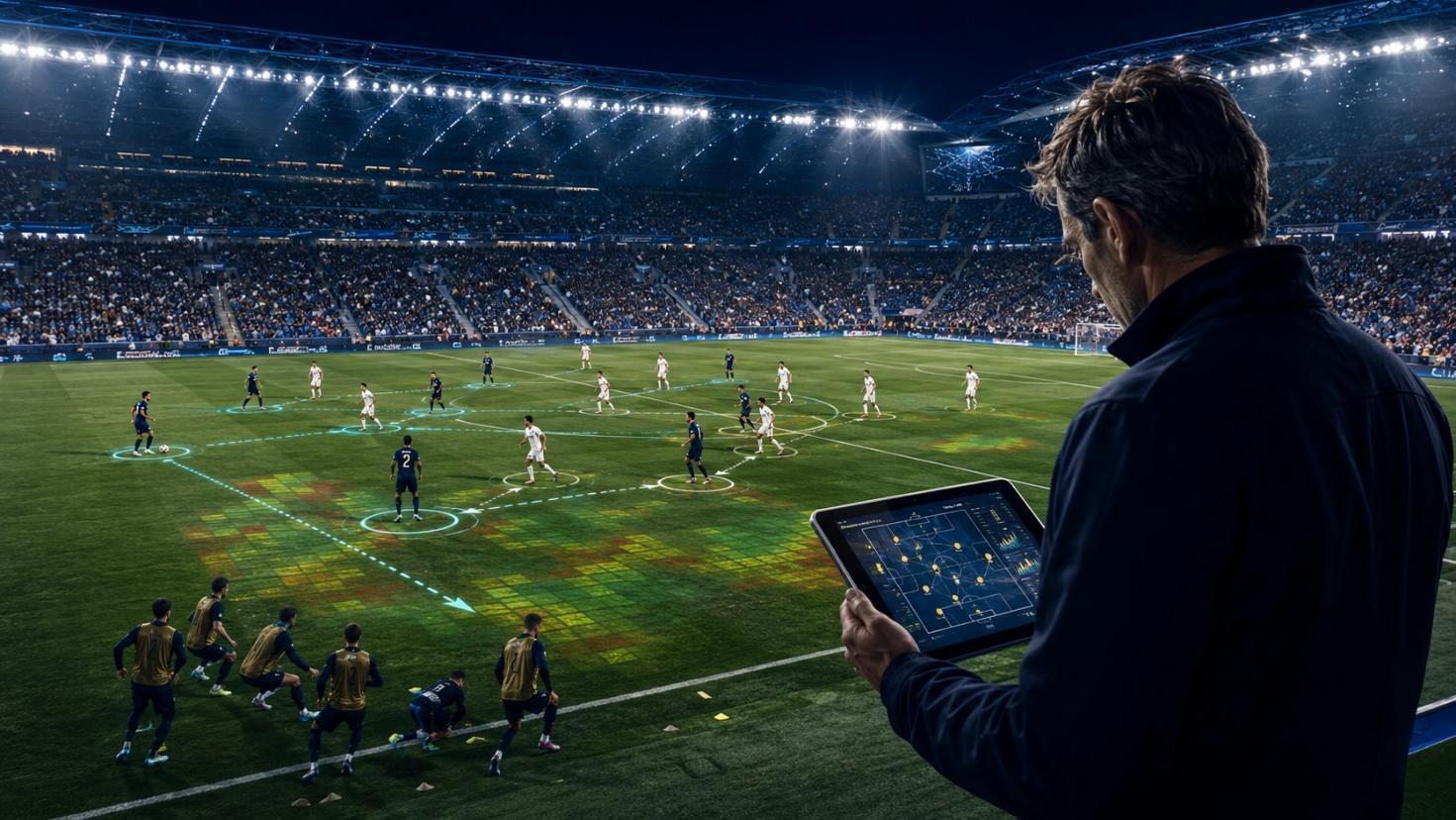
Another defining feature of modern tournaments is the influence of data analysis and preparation. National teams now rely heavily on performance departments, tactical analysts, and detailed opposition scouting.
Preparation influences:
- Pressing triggers
- Set-piece organization
- Transition management
- Rotation timing
- Match-specific tactical plans
Set pieces alone have become increasingly important because organized defensive structures make open-play opportunities harder to create. Teams spend enormous time rehearsing routines designed to exploit small advantages.
This analytical evolution further explains why structure increasingly outweighs improvisation at the highest level.
Football’s Current Identity Is About Balance
The modern World Cup reveals a sport searching constantly for balance rather than extremes. Teams are no longer defined purely as attacking or defensive. The strongest sides combine organization with controlled creativity.
Successful national teams generally share several characteristics:
|
Modern Trait |
Importance |
|
Defensive compactness |
Maintains stability |
|
Tactical flexibility |
Solves different challenges |
|
Squad depth |
Sustains performance |
|
Energy management |
Supports tournament survival |
|
Structured buildup |
Reduces unnecessary risk |
The modern game values decision making more than emotional momentum. Players still produce moments of brilliance, but those moments usually emerge inside highly organized systems rather than uncontrolled environments.
The World Cup Shows Where Football Already Is
The World Cup often feels transformative because it concentrates global attention on football for a few intense weeks. In reality, the tournament rarely creates new trends on its own. Instead, it reveals ideas that have already been developing across elite football for years.
That is what makes it such an accurate snapshot of the sport’s direction.
Every tournament reflects the tactical priorities, physical demands, and strategic thinking that currently dominate modern football. Compact defending, selective pressing, squad management, and adaptability are not temporary trends anymore. They represent the modern identity of elite football itself.
By the time the next World Cup begins, the game will likely continue evolving in subtle ways. But the central pattern will probably remain the same: success will depend less on chaos and more on structure, intelligence, and control.