
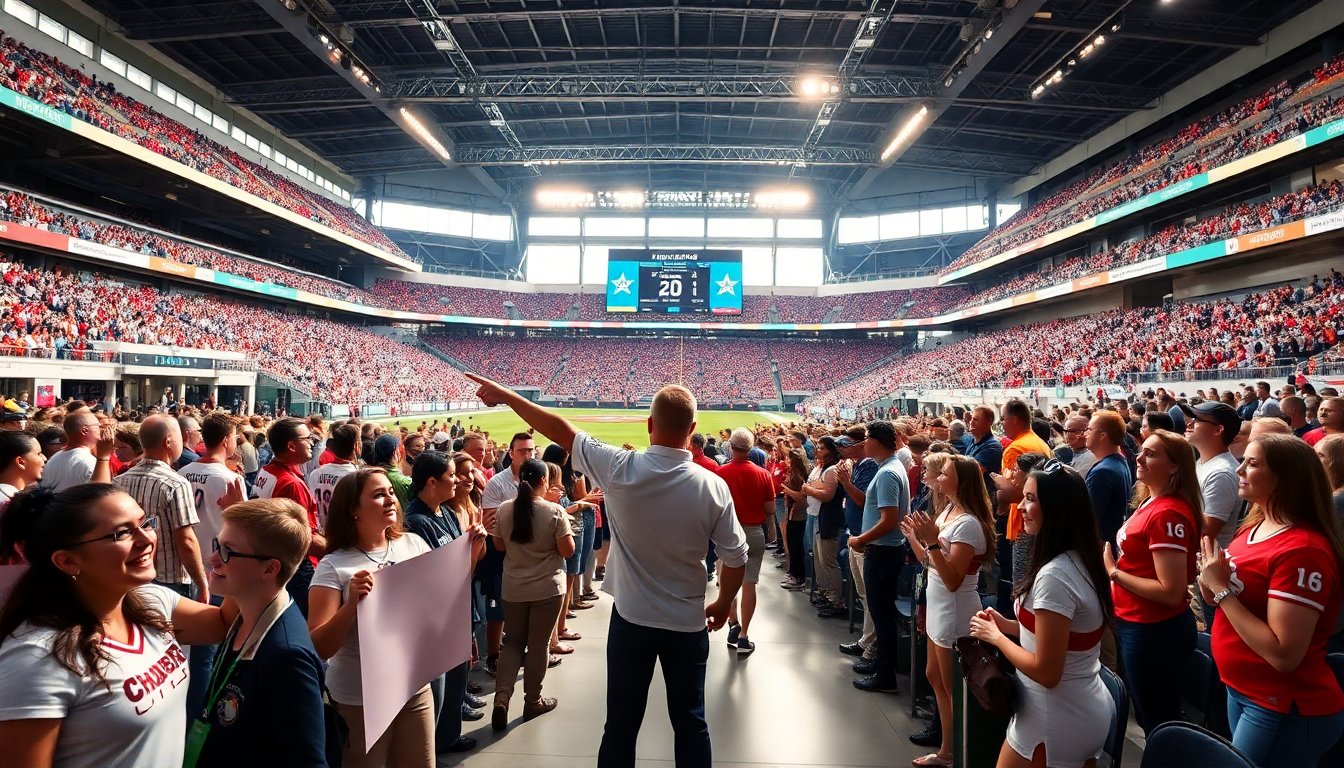
Sports fan fare starts with a clear plan and a loud purpose. The crowd feels energy when fans, music, and visuals align. Teams use fanfare to raise noise, sell tickets, and grow community. Event staff map chants, lights, and timing to make moments stick. The following sections explain what sports fanfare is, list its key parts, show how to design experiences, and describe how teams measure success.
Key Takeaways
- Sports fanfare energizes crowds through coordinated chants, music, and visuals, enhancing fan identity and boosting attendance.
- Effective fanfare relies on simple, repeatable chants, choreography, and sound design tailored to the stadium environment.
- Designing fan experiences involves mapping the fan journey with pre-game, in-game, and halftime strategies that encourage participation and build traditions.
- Pre-game rituals and tailgate activations engage fans early, increase spending, and set an energetic tone for events.
- Teams measure sports fanfare success by tracking attendance, sales, noise levels, media reach, and community engagement to guide future investments.
What Is Sports Fanfare And Why It Matters
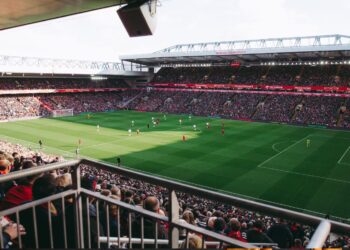
Sports fanfare means organized actions that boost crowd energy at live events. It covers chants, music, props, and coordinated visuals. Teams use fanfare to create identity and repeatable rituals. Fans join rituals and form habits that increase attendance and merchandise sales. Fanfare also shapes media clips that spread on social platforms. Managers track those clips to judge reach. The presence of strong fanfare changes how a venue sounds, looks, and feels. That change influences player morale and sponsor value. Teams that invest in fanfare gain clearer brand signals and steadier revenue streams.


Elements Of Memorable Fanfare: Chants, Choreography, And Sound
Chants provide simple words that many fans can repeat. The best chants use short lines and a clear call-and-response structure. Choreography refers to coordinated fan movement, such as card stunts or wave patterns. Simple choreography works better than complex forms because it includes more people. Sound covers music, anthems, and in-stadium effects like drums and horns. Sound design must match stadium acoustics and local noise rules. Visual elements such as banners, colors, and light cues reinforce chants and sound. Together, chants, choreography, and sound produce repeatable moments fans expect and seek at each game.
Designing A Fan Experience: Pre-Game, In-Game, And Halftime Strategies
Design starts by mapping the fan journey before, during, and after kickoff. Staff list key emotional peaks and place activations where crowds gather. Design also sets clear roles for volunteers, PA announcers, and in-house DJs. The plan should prioritize ease of participation, quick wins for new fans, and memorable peaks for regulars. Timing and cadence get documented so staff can reproduce the moments. Design documents guide ticket sellers, sponsors, and security. They also provide templates for social content. Design matters because consistency turns single events into lasting traditions.
Pre-Game Rituals And Tailgate Activation
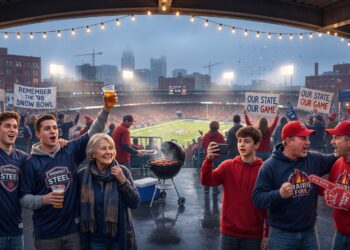
Pre-game rituals get fans into the stadium mood and extend time spent with the team. Tailgate activation places branded tents, live music, and quick contests near parking zones. The team provides clear prompts that teach chants and signal when to head inside. Short practice sessions by cheer groups help new fans join. Food vendors and local partners create reasons to arrive early. Pre-game activations collect emails and social handles for future outreach. The result increases early spending and raises the baseline energy level inside the stadium.
Measuring Impact And Growth: Metrics, Revenue, And Community Building
Teams track attendance, ticket renewal rates, and concession sales to measure fanfare impact. They also monitor on-site noise levels during key cues to see which moments drive the loudest response. Media reach and clip shares provide external signals of which fan moments go viral. Revenue from merchandise and premium seating often rises after strong fan-driven events. Community building metrics include membership sign-ups, volunteer counts, and local partnership growth. Teams pair financial metrics with social metrics to justify future fanfare investments.