
Modern sport runs on marginal gains. Athletes chase one percent improvements everywhere they can find them, in sleep, in nutrition, in recovery, in the exact angle of a warm up. Amateur and weekend athletes have picked up the same habit, tracking macros, buying the recovery boots, optimizing the training block. Yet a lot of them walk straight past the single biggest lever available, the one sitting in the fridge. The relationship between how they train and how they drink.
A Culture That Bundles Sport and Drinking
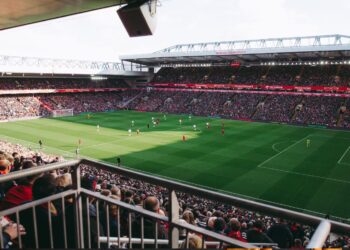
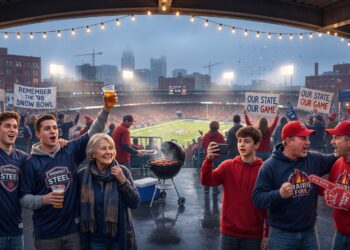
Part of the reason it goes unexamined is cultural. Sport and drinking have been tied together for as long as most of us can remember. The game day beers. The pint at the pub while the match plays. The round to celebrate a win and the round to soften a loss. For a huge number of fans and players, watching or playing sport and having a drink arrived as a single package, and nobody ever unwrapped it to look at the two things separately.

There is nothing wrong with enjoying that. But when the same person who obsesses over their splits or their lifting numbers never once questions the drinking habits stacked on top of them, there is a blind spot worth naming. You cannot optimize a system while ignoring one of its biggest inputs.
What It Actually Costs You
Here is the uncomfortable part for anyone chasing performance. Alcohol works against nearly everything you train for. It disrupts the deep stages of sleep where the body actually repairs itself, which is why a few drinks can leave you flat and heavy in the next day’s session even when you slept the full night. The research on how alcohol affects sleep is blunt about it, and the wider effects of alcohol on recovery and the body are just as well documented. Slower recovery, blunted gains, worse next day output. For a competitive person, those are not small things. They are the exact margins you spend the rest of your week trying to win.
None of this is a lecture about quitting. It is just an honest look at the trade. If the drink is worth it to you, fine. But you should at least know what it is costing, because right now most people are paying that price without ever seeing the invoice.
Moderation, Not Elimination
This is where alcohol moderation earns its place in a training plan. The goal is not to swear anything off forever or to slap a label on yourself. It is to bring the same intentionality to drinking that you already bring to everything else in your routine.
Drinking moderation, done right, is just another performance lever. It means knowing when a drink genuinely adds to your life and when it is quietly stealing from your goals. It means the game day beers stay a real choice instead of an automatic one. Handled that way, moderation is not a sacrifice. It is an edge, and it is one most of your competition is not using.
Awareness Beats Willpower, On the Field and Off
Every athlete knows willpower alone does not build consistency. Systems do. The same is true here. Trying to white knuckle your way to better alcohol habits through sheer discipline tends to fail for the same reason crash diets fail. It fights the pattern head on instead of understanding it.
The better approach starts with awareness. Most alcohol habits run on autopilot, a cue that fires a routine before you consciously decide anything. The final whistle, the walk to the pub, the couch on a Sunday. Once you can see those cues clearly, you can work with them instead of being run by them. Some people add gentle tools to help. Alcohol hypnotherapy, for example, uses calm, guided sessions to loosen the automatic pull of a routine, and it pairs well with the plain habit of paying attention.
An App That Treats It Like Training
This is essentially the philosophy behind Unconscious Moderation, an alcohol moderation app built for people who would rather understand their patterns than be scolded about them. It combines neuroscience, self reflection, and drinking hypnotherapy to get underneath your drinking habits, not just track them. In other words, it treats alcohol moderation the way a good coach treats any part of performance, with data, awareness, and a plan, minus the shame. For an athlete or a serious fan who already thinks in terms of marginal gains, that framing tends to land a lot better than a list of rules.
Train the Off-Field Game Too
The athletes and fans who get the most out of their bodies are the ones who treat the whole system as trainable. Sleep is trainable. Nutrition is trainable. Recovery is trainable. Your relationship with alcohol is trainable too, and it responds to the same honest attention as everything else.
So the next time you are reaching for the game day drink out of pure habit, treat it like any other part of your prep. Notice it. Ask whether it is serving the result you actually want. You might still crack it open, and that is a legitimate choice. But making it a choice, instead of an automatic move, is exactly the kind of one percent edge the pros never leave on the table. Alcohol moderation is not the boring option. For anyone chasing performance, it might be the smartest play you have.