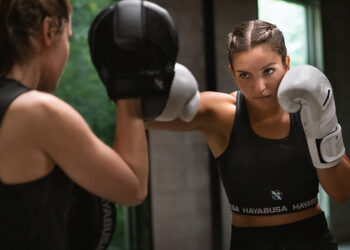


They pair boxing gloves and punching bag to build power, technique, and endurance. This pairing delivers clear feedback on punch form. The gear lets users train safely and measure progress.
Key Takeaways
- Pairing boxing gloves and punching bag builds power, technique, and endurance while giving clear feedback on punch form and reducing injury risk.
- Choose glove type by purpose: training gloves for mixed work, bag gloves for firmer heavy-bag strikes, and sparring gloves for partner safety.
- Select glove weight to match goals—10 oz for speed drills, 12–16 oz for general bag work, and 14–16 oz for long sessions or beginners to protect joints.
- Match glove and bag type to the session: use firmer bag gloves on heavy bags for power, lighter gloves for speed rounds and small gloves or bare hands for speed-bag accuracy work.
- Extend gear life and stay safe by airing and wiping gloves, rotating pairs, inspecting bag mounts and hardware, and using properly rated mounts or professional installation when in doubt.
Why Pair Gloves And A Punching Bag Matters
Training with boxing gloves and punching bag gives practical benefits. Gloves protect hands and wrists. The bag gives resistance and timing cues. Together they teach distance, rhythm, and power. A consistent pair reduces injury risk. A correct pair helps a trainee feel strikes land and adjust technique. They provide a low-cost way to get cardio and strength work in one session. Many coaches place this pairing at the center of a basic routine.


Types Of Boxing Gloves For Bag Work
Different glove types match different work on a punching bag. Choosing the right type improves comfort and results.
Training Gloves
Training gloves suit mixed use on the bag and pads. They give balanced padding across knuckles. They still allow controlled power. A trainee can use training gloves for mitt work and bag rounds.
Bag Gloves
Bag gloves serve direct work on heavy bags. They feel firmer and allow firmer strikes. They often have less bulk than sparring gloves. Boxers and fitness users use bag gloves to feel the bag and to build punching speed.
Sparring Gloves
Sparring gloves prioritize safety for partners. They add padding to reduce impact force. Users avoid sparring gloves for long heavy-bag sessions when they need a close connection to the bag. Still, some prefer sparring gloves for light bag work to protect older hands.
Choosing The Right Glove Size And Weight
Glove weight and size affect protection and technique. A correct match improves training quality and reduces injury.
Glove Weight Guide By Purpose
Heavier gloves slow hand speed and add conditioning. Lighter gloves increase speed and precision. For general bag work, 12 oz to 16 oz covers most needs. Fighters preparing for a pro bout might use 10 oz for speed drills. Beginners and those training long sessions often use 14 oz or 16 oz for added protection.
Proper Fit And Hand Protection
A proper fit keeps the wrist aligned. Tight wraps stop the hand from shifting. Users should wear hand wraps under gloves for extra support. The glove should fit snugly without pinching. The thumb should sit naturally and not fold back. If the glove moves during a jab, it does not fit well.
Punching Bag Types And What They’re Best For
Matching bag type to goals improves the session quality. Each bag type offers a different feedback and load.
Heavy Bags
Heavy bags suit power and combination work. They weigh between 60 and 150 pounds. The bag forces the user to push through impact. Heavy bags also help condition the shoulders and core. They serve boxers who need to practice hooks, crosses, and body shots.
Double-End And Speed Bags
Double-end bags sharpen timing and accuracy. Speed bags build hand-eye coordination and rhythm. They move quickly and return with minimal lag. Users focus on timing, speed, and shoulder endurance with these tools.
Freestanding And Aqua Bags
Freestanding bags suit home gyms with limited mounting options. They save space and move when struck. Aqua bags absorb force differently and reduce rebound. Users who want less wrist shock often pick aqua bags.
Matching Gloves To Bag Type And Training Goals
They match gloves to the bag and to the session objective. For power work on a heavy bag, they choose bag gloves or training gloves with moderate weight. For speed rounds, they pick lighter gloves to sharpen hand speed. For long conditioning sessions, they select heavier gloves for joint protection. For accuracy drills on a speed bag, they use small, lighter gloves or no gloves at all. A user who trains for competition will cycle glove weights to simulate fight conditions and to protect long-term joint health. The pairing of boxing gloves and punching bag changes with goals, and they should adjust gear as their goals shift.
Care, Maintenance, And Safety Tips
Proper care extends gear life and keeps users safe.
Glove Care And Odor Control
They air gloves after each session to cut odor. They wipe gloves with a damp cloth to remove sweat. They use glove deodorizers or small sachets to absorb moisture. They rotate pairs to allow drying time. They avoid leaving gloves in a closed gym bag for long periods.
Bag Maintenance And Mounting Safety
They inspect bag chains, swivels, and mounts before use. They tighten loose hardware to prevent falls. They replace worn straps or chains promptly. They check bag filling to keep consistent weight and rebound. For wall or ceiling mounts, they use hardware rated for the bag weight and wall type. If users doubt the mount, they hire a professional to install it.