

Sports fandom has always been about more than the final score. For generations, supporters have built rituals around matchdays, shared opinions with friends, collected memorabilia, followed statistics, and debated players and teams long after the action ended. What has changed is the number of digital tools now available to extend that experience.
Today, fans can watch live games on multiple devices, join online communities, track real-time statistics, play sports-themed video games, follow athletes directly on social media, and participate in interactive entertainment without leaving home. The result is a much broader definition of what it means to be a sports fan.

Digital entertainment is no longer something that competes with sport for attention. Increasingly, the two are part of the same ecosystem.
The Second-Screen Experience Has Become Standard
Watching a game is no longer necessarily a passive activity.
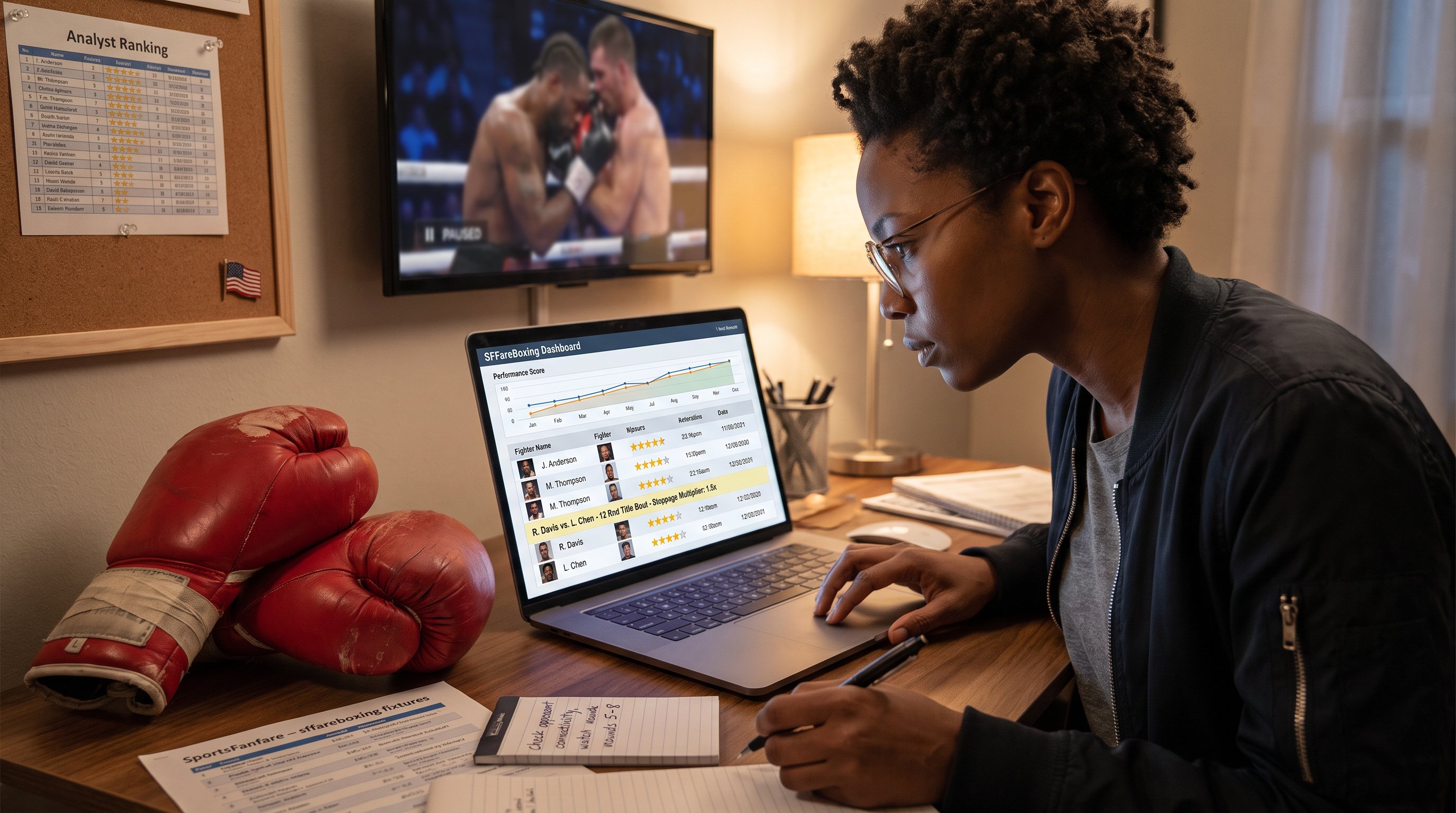
Many fans now follow a match on television while simultaneously using a smartphone, tablet, or laptop. This “second-screen” behaviour allows them to check statistics, read commentary, participate in group chats, browse social media, or follow other games taking place at the same time.
For broadcasters and sports organisations, this represents a major shift in audience behaviour.
A modern fan may be watching the same event across several digital touchpoints:
- a television or streaming service for the main broadcast;
- a mobile app for live statistics;
- social media for reactions and highlights;
- messaging platforms for conversations with friends;
- fantasy sports or prediction platforms for additional engagement.
Instead of a single viewing experience, sports consumption has become a network of connected activities.
The most successful digital platforms recognise this and provide information quickly enough to complement the live event rather than distract from it.
Streaming Has Changed When and Where Fans Watch Sport
Traditional television remains important, but streaming has transformed expectations around accessibility.
Fans increasingly expect to watch sporting content wherever they are. A match might start on a television at home, continue on a tablet during a journey, and finish on a smartphone.
Streaming has also expanded the amount of sports content available.
Fans are no longer limited to major live fixtures. Digital platforms can distribute press conferences, training footage, interviews, documentaries, archived games and behind-the-scenes content.
This gives supporters more opportunities to interact with their favourite teams throughout the week rather than only during competition.
For smaller sports and leagues, digital distribution can be particularly valuable. Events that may struggle to secure traditional television coverage can potentially reach international audiences through online platforms.
Social Media Has Made Sports Fandom More Immediate
One of the biggest changes in modern sports culture is the speed at which conversations develop online.
A controversial decision, dramatic goal or record-breaking performance can generate thousands of reactions within seconds.
Fans no longer need to wait for the next day’s newspaper or a post-match television programme to hear different opinions. They can see instant reactions from journalists, players, clubs and other supporters while the event is still happening.
Athletes themselves have also become major media channels.
Through social platforms, players can communicate directly with supporters and share training routines, travel experiences, personal milestones and sponsorship content.
This can make the relationship between athlete and fan feel more direct, although it also creates new challenges around online behaviour, privacy and misinformation.
Gaming Gives Fans Another Way to Participate
Sports video games have become another major part of digital fan culture.
For many supporters, playing a football, basketball, racing or combat sports game is a natural extension of following the real competition.
Gaming allows fans to recreate famous matches, manage teams, build squads, compete with friends and experiment with scenarios that would be impossible in real life.
Competitive gaming has also created new crossover audiences.
Some traditional sports organisations now operate esports teams, while professional athletes frequently participate in gaming events or streaming sessions.
This overlap can introduce younger audiences to clubs and competitions they might not otherwise follow.
The connection works in both directions: a gamer may become interested in a real-world sport after playing its official game, while an established sports fan may start gaming because of an existing connection to a league or team.
Fans Are Becoming More Interested in Interactive Entertainment
One of the strongest trends across digital media is the move from passive consumption toward participation.
Audiences increasingly want to make choices, compete, predict outcomes or interact with content rather than simply watch it.
That can include fantasy sports, prediction games, trivia, interactive broadcasts and other forms of online entertainment.
This wider shift also means sports audiences frequently overlap with other digital entertainment communities. Some users move between streaming services, games, social platforms and regulated online gaming environments depending on their interests and local rules.
For example, Finnish users exploring different forms of online casino entertainment may come across resources comparing mga kasinot, a term used in connection with casinos operating under Malta Gaming Authority licensing. As with any online platform involving money, users should understand the applicable regulations, eligibility requirements and terms before participating.
The broader point is that digital audiences rarely belong to one entertainment category anymore. Someone interested in football may also be a gamer, streaming subscriber, fantasy sports participant and regular social-media user.
Data Has Become Part of the Entertainment
Statistics have always been important in sport, but digital platforms have made detailed data accessible to ordinary fans.
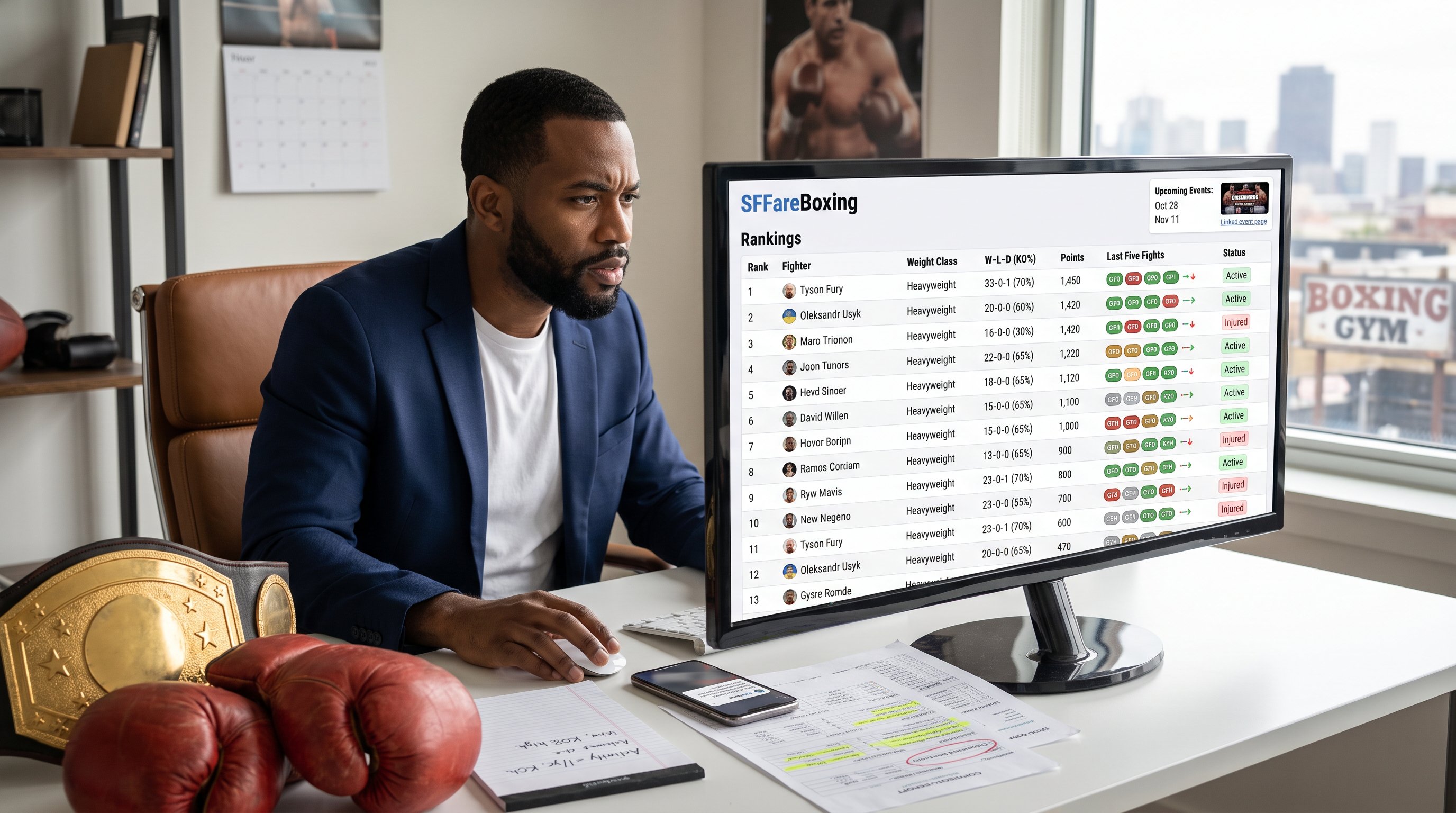
Possession percentages, shot maps, expected goals, player tracking, serve speeds, lap times and advanced performance metrics can now be viewed almost instantly.
This has changed how supporters analyse games.
Fans increasingly use data to support arguments, compare athletes and evaluate performances rather than relying entirely on subjective impressions.
Fantasy sports has accelerated this trend further. Participants often study player form, injuries, schedules and historical performance before making decisions.
As a result, sports analytics has moved beyond professional coaching departments and into everyday fan conversations.
Personalisation Is Changing the Fan Experience
Digital entertainment platforms increasingly attempt to tailor content to individual users.
A sports app might prioritise a fan’s favourite team. A streaming platform might recommend documentaries based on previously watched competitions. Social networks may surface clips related to specific athletes.
This can make digital sports consumption more efficient because fans spend less time searching for relevant content.
However, personalisation also raises important questions.
If algorithms consistently show users only the teams, opinions or topics they already follow, they may encounter fewer alternative viewpoints.
Sports platforms therefore face the same challenge as other digital media services: balancing convenience with variety.
Online Communities Are Recreating the Social Side of Sport
Watching sport has traditionally been a social activity.
Supporters gather in stadiums, pubs, homes and public spaces because sharing the experience often makes it more enjoyable.
Digital communities attempt to recreate part of that atmosphere online.
Forums, fan groups, Discord servers, messaging chats and social platforms allow supporters from different countries to interact during and between games.
This is particularly important for international fans who may live thousands of kilometres away from the team they support.
Online communities can provide them with a sense of belonging that would otherwise be difficult to maintain.
At the same time, moderation is becoming increasingly important. The anonymity and speed of online communication can encourage abusive behaviour, so platforms must develop effective community standards and reporting systems.
Short-Form Video Is Changing Sports Highlights
Another important trend is the growth of short-form video.
Many younger fans discover sports moments through brief clips rather than traditional highlight programmes.
A spectacular goal, knockout, dunk or racing incident can spread across social platforms within minutes and reach people who did not watch the original event.
For leagues and teams, this creates a valuable discovery channel.
A short clip may encourage someone to watch a full match, follow an athlete or learn more about a sport.
However, it also changes expectations around attention.
Sports media organisations increasingly need to provide both long-form coverage for dedicated fans and concise content for audiences browsing quickly on mobile devices.
What Comes Next for Digital Sports Entertainment?
The next phase of digital sports engagement will probably become even more interactive.
Several technologies are likely to influence the fan experience, including:
- augmented reality overlays during live matches;
- virtual reality viewing environments;
- more sophisticated real-time statistics;
- AI-powered personalisation;
- interactive broadcasts with selectable camera angles;
- cloud gaming;
- digital fan communities built around individual athletes and creators.
Artificial intelligence may become especially important.
AI systems can potentially summarise matches, identify important moments, translate commentary, generate personalised statistics and help fans discover content more efficiently.
At the same time, sports organisations will need to use these technologies responsibly, particularly when handling personal data.
Digital Entertainment Is Expanding What It Means to Be a Fan
The biggest change is not that traditional sports fandom is disappearing. Stadium attendance, live television and conversations with friends remain central parts of the experience.
Instead, digital entertainment is adding more layers.
A supporter can watch the game, analyse statistics, interact with other fans, play a sports video game, follow players directly and explore other forms of online entertainment within the same evening.
That creates a more fragmented but also more interactive fan experience.
For sports organisations, broadcasters and digital platforms, the challenge is therefore not simply to capture attention. It is to create experiences that genuinely enhance the connection fans already have with sport.
As technology continues to develop, the strongest platforms will be those that understand that sports fans do not want digital features for their own sake. They want better access, deeper information, stronger communities and more meaningful ways to participate in the sports they already love.