

For many sports fans, the way they engage with games has changed. Watching a match is no longer a single experience that starts at kickoff and ends at the final whistle. It now sits alongside live stats, social discussion, second screens and interactive features that extend attention before, during and after the event.
Within that environment, the lines between sports betting and casino entertainment have become less distinct. This isn’t about odds or wagering strategy, it’s about how platforms are designed to hold attention, shape pacing and mirror the rhythm of live sport itself. From a fan perspective, both forms of gaming increasingly sit within the same broader entertainment ecosystem.

Sports fandom as a live, continuous experience
Modern sports consumption is defined by flow. Fans move between highlights, commentary, data and community in real time. The emphasis is less on isolated outcomes and more on staying engaged throughout the event.
Sports betting fits naturally into this pattern when it’s presented as part of the live experience rather than a separate activity. In-game moments, timeouts, intermissions and breaks in play create natural pauses when interaction is intuitive rather than disruptive.
Casino-style games operate on a similar logic. They are built around quick feedback loops, clear visual cues and short engagement cycles. While the content differs, the underlying design principles overlap with how fans already engage with live sports content. This shared focus on pacing is one reason the two experiences appear closer together.
Platform design is driving convergence
The growing overlap is most visible at the platform level. Instead of treating sports betting and casino gaming as unrelated verticals, many operators now present them within a single interface that reflects how users actually move through content.
From a user perspective, the distinction between “sports” and “casino” often matters less than how easily they can navigate, pause, return or explore during a live event window. Platforms that prioritize continuity over separation tend to feel more aligned with modern sports viewing habits.
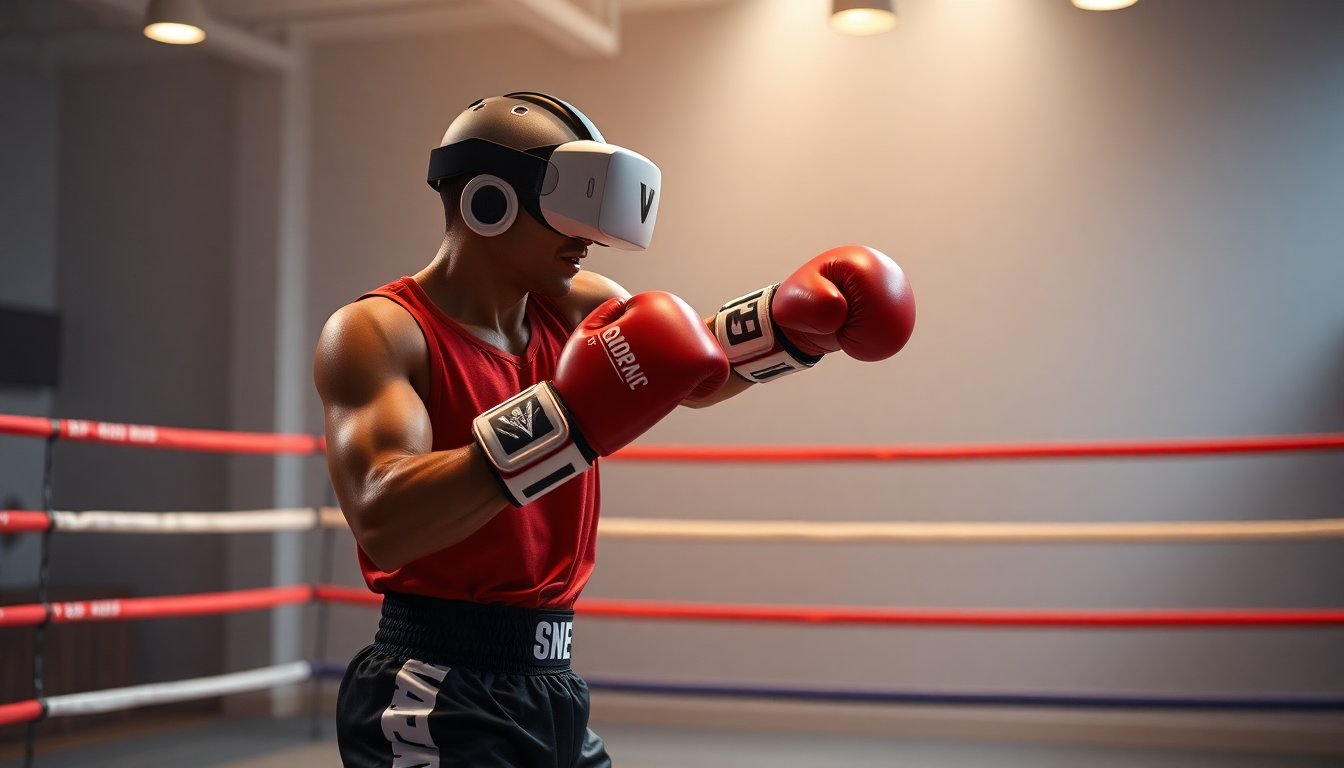
Improvements in viewing equipment, including immersive headsets like Apple Vision Pro, are also shaping the experience by allowing fans to engage with live sports and interactive content in more fluid, hands-free ways that fit naturally around the event itself.
This is increasingly visible on platforms such as TitanPlay Ontario casino and sportsbook, where sports betting and casino entertainment are presented side by side to reflect how modern sports fans engage with interactive content around live events. The design choice itself signals a shift. It suggests that betting and casino play are not competing for attention but coexisting within the same engagement cycle.
Experience over mechanics
A common misunderstanding is that this overlap is driven by more complex betting products or aggressive cross-promotion. In reality, the change is less about mechanics and more about experience.
Many sports fans are not looking to study markets in depth while watching a game. They are looking for interaction that feels timely, optional and easy to step away from. The same principle applies to casino games that prioritize clarity and immediacy over long-term commitment.
What connects the two is not risk or reward, but familiarity. Fans recognize the visual language, the timing and the feedback. That recognition reduces friction and makes movement between experiences feel natural rather than forced.
Why this matters for sports audiences
For sports-focused audiences, this shift has implications beyond betting itself. It reflects a broader trend in how entertainment is structured around live events.
Sports no longer exist in isolation from the platforms that surround them. Engagement now includes companion content, interactive layers and optional forms of participation that extend the event without replacing it.
When sports betting and casino gaming are integrated thoughtfully, they can complement the viewing experience rather than distract from it. Poorly implemented, they can feel intrusive or out of sync with the event’s rhythm. The difference often comes down to restraint and design rather than scale. This is particularly relevant in regulated markets like Ontario, where presentation and transparency are part of the wider conversation around responsible access.
Not all convergence is the same
Not every platform will approach this overlap in the same way. Some treat casino content as an add-on, while others integrate it more holistically into the overall experience.
The most effective examples tend to share a few characteristics:
- Clear separation between optional interaction and core sports content
- Interfaces that respect the timing of live events
- Simple navigation that allows users to move in and out without friction
These choices matter because they shape how fans perceive the relationship between sport and gaming. When the balance is right, the experience feels additive. When it’s not, it risks breaking immersion.
How fans already engage
Ultimately, the growing overlap between sports betting and casino entertainment is less about changing fan behaviour and more about reflecting it. Sports fans already multitask. They already engage in short bursts. They already expect platforms to adapt to the flow of live events.
By aligning with those habits, betting and casino products are positioning themselves as part of the wider sports entertainment environment rather than something separate from it.
As platforms continue to adapt, the question is not whether sports betting and casino gaming will overlap, but how thoughtfully that overlap is managed within the live sports experience.