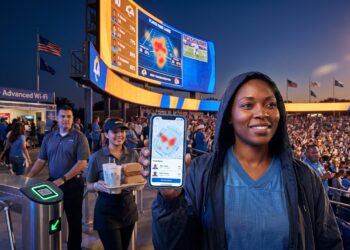


Sports fandom has always been rooted in passion, loyalty, and shared identity. For decades, fans expressed their devotion by attending games, listening to radio commentary, reading newspapers, or gathering around television screens. However, the rise of social media has fundamentally altered how fans connect with sports.
Platforms such as Twitter (X), Instagram, TikTok, YouTube, and Facebook have transformed sports fandom into a real-time, global, and highly interactive experience. In today’s social media–driven landscape, following sports is no longer a passive pastime; it is participatory, expressive, and deeply rooted in digital culture, where conversations around trust, engagement, and perceptions, such as whether parimatch is safe in India, often unfold organically alongside live events and fan interactions.


From Passive Viewers to Active Participants
Before social media, sports communication largely flowed in one direction. Teams, leagues, and media organizations controlled narratives, while fans consumed content with limited ability to respond publicly. Letters to editors, call-in radio shows, or fan clubs offered some interaction, but these channels were slow and selective. Social media dismantled this barrier by giving fans an immediate voice.
Today, fans actively shape sports conversations. Live-tweeting during matches, reacting to referee decisions, creating memes after dramatic moments, and debating tactics online have become integral parts of the sports experience. Hashtags unite millions of supporters around a single event, allowing fans from different countries and cultures to feel part of the same moment. This shift has transformed fandom into a communal, ongoing dialogue rather than a one-off reaction to games.
Moreover, fan-generated content now rivals professional media in influence. Viral clips, reaction videos, podcasts, and fan pages often reach massive audiences, sometimes shaping public opinion faster than traditional sports journalism. In this environment, fans are not just consumers of sports culture; they are co-creators of it.
The Changing Relationship Between Fans and Athletes
One of the most profound impacts of social media is how it has reshaped the relationship between athletes and fans. Previously, athletes were distant figures, accessible mainly through interviews or press conferences. Social media humanized them by offering glimpses into their personal lives, training routines, opinions, and emotions.
Platforms like Instagram and TikTok allow athletes to share behind-the-scenes moments that foster a sense of intimacy and authenticity. Fans feel more connected when they see a player celebrating a family milestone, joking with teammates, or addressing supporters directly. This direct access strengthens loyalty, not just to teams but to individual athletes as personal brands.
However, this closeness comes with challenges. Athletes are now exposed to constant scrutiny, criticism, and online abuse. A poor performance can trigger waves of negative comments within minutes, while controversies spread rapidly. As a result, modern sports fandom is more emotionally intense, for both fans and athletes, blurring the line between admiration and intrusion.
Globalization and the Rise of Digital Fan Communities
Social media has also globalized sports fandom in unprecedented ways. Geographic boundaries that once limited fan bases are now largely irrelevant. A basketball fan in Nigeria can passionately support an NBA team in the United States, just as a football fan in Asia can closely follow the English Premier League. Highlights, live updates, and commentary circulate instantly, making it easy for international fans to stay engaged.
Digital communities have emerged around teams, leagues, and even niche sports. These online spaces, whether Reddit forums, Twitter Spaces, or Facebook groups, offer fans a sense of belonging that transcends physical location. Within these communities, fans analyze performances, relive historic moments, and share collective joy or disappointment.
Commercialization, Data, and the Future of Fandom
As sports fandom has evolved, so too has its commercial dimension. Teams and leagues now use social media as a primary marketing tool, promoting merchandise, selling tickets, and building brand identity. Personalized content, targeted ads, and interactive campaigns are designed to keep fans engaged year-round, not just during the season.
Data analytics plays a growing role in understanding fan behavior. Likes, shares, comments, and viewing patterns help organizations tailor content to specific audiences. This has led to a more customized fan experience, where supporters receive content aligned with their interests and emotional triggers.
Looking ahead, emerging technologies such as virtual reality, augmented reality, and AI-driven content promise to further transform sports fandom. Virtual watch parties, immersive highlights, and interactive digital collectibles could deepen fan engagement even more.
Conclusion
In the social media era, sports fandom has evolved from a largely passive tradition into an active, global, and digitally immersive culture. Fans now shape narratives, connect directly with athletes, and form communities that span continents. While this evolution brings challenges, it has undeniably made sports more accessible, expressive, and emotionally engaging than ever before. As technology continues to evolve, so too will the ways fans experience the thrill, heartbreak, and unity that define sports fandom.