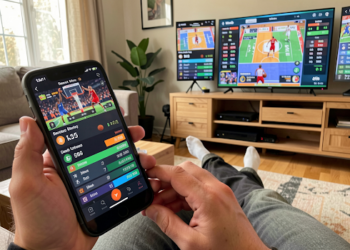

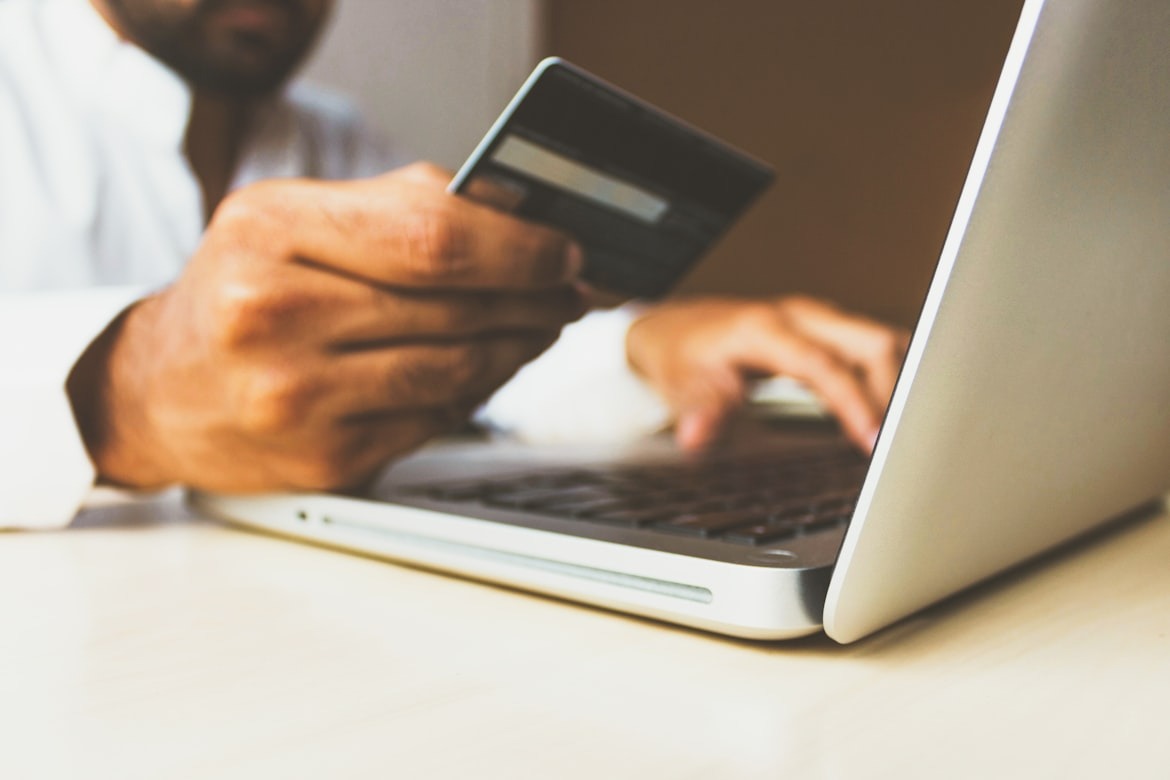
The way people pay has shifted from something you carry to something you access. Physical cards are still widely used, but more consumers now default to wallets built into phones, watches, and browsers. This is not only a technology upgrade. It is a change in habits and expectations. People want payments that fit into daily routines, whether they are tapping at a store, paying inside an app, or managing subscriptions, often through connected account environments such as PlayID.
A key part of this shift is that wallets are becoming connected to identity and account management, not just payment credentials. When a wallet is tied to a stable account system, it can support recovery, device switching, and more consistent purchase histories. Systems such as PlayID Hub reflect the broader direction of combining payment access with account continuity, which influences how users experience trust and convenience.


Convenience Became the Default Standard
For many consumers, the strongest reason to adopt digital wallets is simple convenience. Physical cards work, but they require more steps in online shopping and can be forgotten, lost, or replaced. Digital wallets reduce friction by keeping payment methods ready and confirming transactions with a quick biometric check or device prompt.
Contactless payments have also trained users to expect speed. Tapping a phone or watch often feels faster than inserting a card and entering a PIN. Over time, repeated small moments of convenience create a clear preference. Users start to view manual payment entry as unnecessary effort, especially when wallets can autofill details and keep receipts organized.
Subscriptions are another accelerant. Many households manage multiple recurring services, and updating card details across separate platforms is annoying. A wallet simplifies this by centralizing the funding source and reducing the number of places where payment changes must be made. That centralization can also make budgeting easier when transactions are searchable and consistent.
Convenience is also about cross device flow. People move between phone, tablet, and computer throughout the day. A wallet that works smoothly across those contexts encourages habitual use, because the user does not feel they are starting over on each device.
Trust Shifted from Objects to Systems
Physical cards feel secure because they are tangible. You can see them, hold them, and put them away. Digital wallets require a different kind of trust. Instead of trusting an object, consumers trust a system, which includes authentication, device security, and transparency.
Biometrics have helped make that trust feel intuitive. Fingerprints and facial recognition reduce reliance on passwords and make authorization feel personal and immediate. Tokenization and device level protections also reduce how often sensitive card details are exposed during transactions, even if users are not aware of the technical details.
What matters behaviorally is that security is now expected to be quiet. If a wallet constantly interrupts with confusing prompts, users lose patience. If it never provides visibility, users feel uneasy. The balance is achieved through clear transaction confirmations, readable activity logs, and alerts that make unusual behavior obvious.
Account continuity also plays into trust. If a user loses a device, they want a straightforward recovery path that does not feel risky or mysterious. Identity linked wallet environments like PlayID Hub fit into this expectation by emphasizing that access and recovery should be designed as part of the normal experience, not as an emergency workaround.
The Psychology of Access Over Ownership
The move to digital wallets mirrors a broader consumer shift from ownership to access. Media, storage, and services have all moved toward accounts that follow the user. Payments are doing the same. Instead of thinking, I have a card, consumers increasingly think, I have access.
This has changed what people expect from checkout. They want payment to be embedded into the experience, not a separate task. That is why in app purchases, saved preferences, and one tap confirmation have become so common. When the steps are fewer, hesitation is reduced, and purchasing becomes more closely tied to the moment of desire or need.
It also changes how users relate to records and control. A physical card does not provide history by itself, but a wallet can. Receipts, merchant names, timestamps, and subscription identifiers create clarity. That clarity supports confidence, because users can quickly check whether a charge looks right.
Finally, access based payments raise expectations for portability. If purchases and subscriptions are tied to a user account, consumers expect the benefits to follow them across devices and platforms. Wallet ecosystems such as PlayID Hub align with this direction by treating identity continuity as part of the payment experience, which supports smoother transitions when users change phones, add a new device, or manage multiple services under one account.