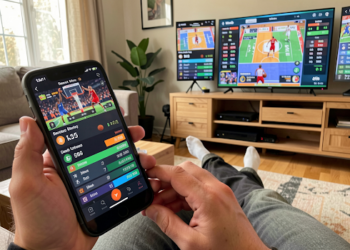


Choosing the right sports betting platform provider is crucial for any operator entering or expanding in the iGaming market. One wrong choice can cause wasted investment, regulatory issues, or poor player experience. Many providers promise quick launches and attractive features, but quality, reliability, and long-term value vary.
Operators who focus only on price or flashy demos often face operational problems soon after launch. Careful evaluation builds a stronger foundation for a profitable sports betting business.


Understanding the Different Types of Sportsbook Companies
Sportsbook companies come in different forms. Full-service operators manage everything from design to payments. White-label providers give a ready-to-brand platform with basic licensing help. Turnkey solutions offer a complete unbranded system, leaving licensing to the operator. Sportsbook software companies supply only the core technology, such as odds feeds and risk engines.
Many operators overlook these differences when choosing among sportsbook platform providers. They pick white-label for speed but later find they lack control over updates or data. Others choose software-only providers without the resources to handle integrations, which causes delays.
Match the provider type to your real needs—fast entry or deep customization—and check client references first.
Sportsbook Software Companies: Features vs. Hidden Limitations
Sportsbook software companies often highlight attractive front-end features: live betting screens, multi-sport options, and smooth bet slips. Operators can get distracted by these visuals and miss serious back-end problems.
Common hidden limitations include poor scalability during big events, unreliable odds feeds, weak API connections, basic risk tools, surprise maintenance fees, and rigid customization options.
To avoid trouble, test the system under heavy load, review real integration examples, and calculate costs over several years. Focus on technical substance, not just demos.
Sportsbook Compliance Issues That Are Frequently Overlooked
Sportsbook compliance issues cause some of the costliest mistakes. Operators often assume the provider handles all regulatory needs, but important gaps frequently appear.
Here are the most common oversights:
- Limited licensing experience in target markets (MGA, UKGC, or local jurisdictions)
- Weak KYC tools that fail to block underage or fake accounts
- Inadequate AML monitoring that misses suspicious transaction patterns
- Poor responsible gambling features (limits, exclusions, session reminders)
- Faulty geolocation that allows access from restricted areas
- Insufficient GDPR-level data protection
These gaps can result in fines, license loss, or market bans.
Ask for proof of compliance in your markets, review audit records, test the tools yourself, and consult legal experts early. These steps protect the business.
Sportsbook Development Best Practices to Avoid Costly Errors
Sportsbook development best practices help select a future-proof platform. Modular architecture lets you update one part without breaking everything. Clear SLAs define uptime and response times. Mobile-first design matches how most players bet today.
Look for thorough testing (load, security, regression), visible plans for new sports and features, strong post-launch support, and realistic launch timelines.
The table below shows the difference between common errors and better choices:
| Aspect | Common Mistake | Best Practice | Benefit |
| Architecture | Fixed monolithic build | Modular components | Easier scaling and updates |
| SLA Terms | Vague commitments | Clear uptime and response rules | Reliable accountability |
| Mobile Design | Desktop-first layout | Mobile-first focus | Improved player experience |
| Testing | Basic checks only | Comprehensive load and security tests | Fewer launch issues |
| Future Plans | No shared updates | Clear feature and market plans | Stronger long-term fit |
Following these reduces delays and rework.
Conclusion
Choosing sportsbook companies requires careful checks on type, technical quality, compliance readiness, and development standards. Category mismatches waste time. Back-end weaknesses raise costs. Compliance gaps invite penalties. Poor development choices lock you into rigid systems.
Compare providers on scalability, integration strength, compliance track record, and support quality. Select transparent partners with proven results to build a sustainable operation that keeps players satisfied.
FAQ
What is the main difference between white-label and turnkey sportsbook solutions?
White-label provides a branded platform with provider licensing for fast setup but limited control. Turnkey delivers a complete unbranded system with more operator ownership, but licensing is your responsibility.
How important is third-party licensing support when choosing a sportsbook provider?
Very important. It speeds up approvals and ensures local rule compliance. Without it, expect delays, added costs, or outright rejections.
What should I check in a sportsbook software company’s risk management system?
Real-time pattern detection, fraud prevention tools, and performance during peak events. Confirm solid integration with odds feeds.
How long does it typically take to launch a sportsbook with a good provider?
White-label: 2–8 weeks. Turnkey or custom: 3–6 months, depending on integrations, testing, and licensing.
Can I switch sportsbook providers later if I make a wrong choice?
Yes, but it involves data migration, player transfers, and possible downtime. Modular platforms and good exit clauses make switching easier.