

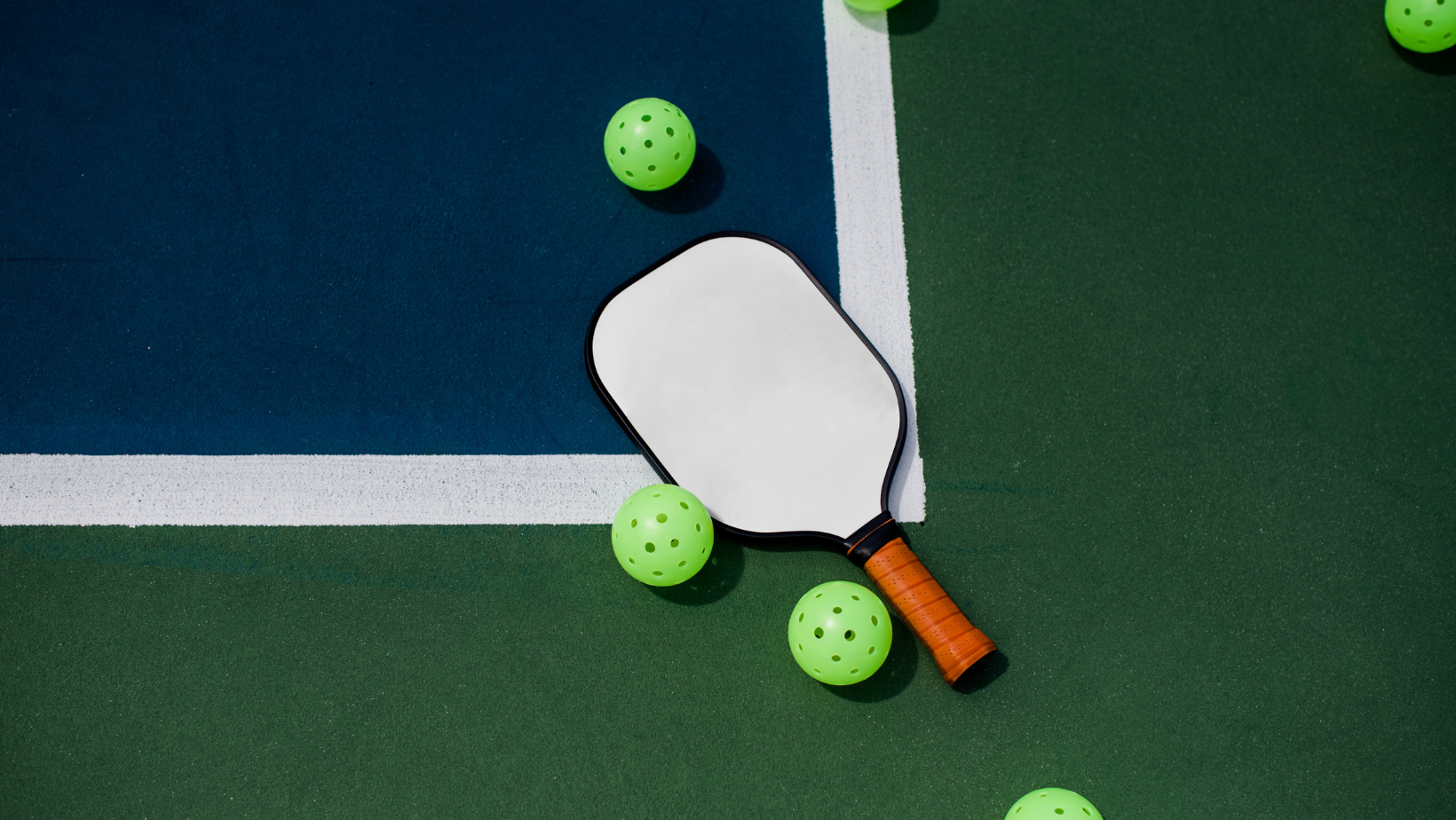
Pickleball, tennis, and padel share a racquet, a net, and a passion for play, but the details that decide outcomes are different in each sport. When coaches, players, and facility managers build plans from validated data rather than habit, the gains show up in performance, satisfaction, and revenue. Here is how the numbers guide smarter training and operations right now.
Participation pressure and smarter court flow
In the United States, pickleball participation reached 13.6 million players in 2023, according to industry tracking, marking another year of more than 50 percent growth and the fastest multi-year climb among major sports. Tennis participation remains above 23 million players in the U.S., continuing a multi-year surge. Combined, that volume translates directly into court scarcity at peak times, which means facilities must squeeze more play from the same square footage without sacrificing safety or experience.

Two levers matter most: format and turnover. A single pickleball court engages four players continuously, while singles tennis uses two; that basic arithmetic favors pickleball for throughput. Add side-out scoring in pickleball, compact court dimensions of 13.41 by 6.10 meters, a 0.86-meter center net with a 2.13-meter non-volley zone on both sides, and you get faster game cycles than most tennis set play. Facilities that schedule defined rotations, add short buffer windows between bookings, and encourage doubles formats during peak demand reliably move more players through with fewer backlogs.
Drill design that mirrors rally realities
Tennis analytics from professional events consistently show about 70 percent of points end within the first four shots. That single statistic should anchor a huge share of practice time. For developing players, serve-plus-one and return-plus-one patterns deserve daily repetition under pressure, because they decide most points. Coaches who structure sessions into clusters of two to four ball sequences, with precise targets for depth and direction, build the habits that statistical reality demands.
Padel analysis shows a different match rhythm: a 20 by 10 meter enclosed court with a center net around 0.88 meters, frequent wall use, and average rally durations commonly in the 10 to 15 second range at competitive levels. More than 80 percent of points are won by the pair controlling the net. Training, therefore, should prioritize the lob to reclaim net, the bandeja and vibora to keep it, and rapid split-step recoveries after glass rebounds. Setting time-bound rallies that force a proactive lob every third exchange is a simple way to anchor those winning patterns.
In pickleball, the fixed geometry of the non-volley zone compresses decision time at the kitchen line, and the most reliable scoring runs happen after a clean transition from the baseline to that line. Third-shot quality is the gateway. Players should practice third-shot drops and drives in equal measure, then add a two-ball requirement: third shot initiates, fifth ball secures the line. That mirrors common rally arcs while keeping the technical focus tight.
Work-to-rest, not guesswork
Racket sports are intermittent by design. Tennis rules specify 90-second changeovers and 120-second set breaks, which drastically shape the physiological load. Coaches can use those constants to calibrate sessions: high-intensity blocks of 15 to 25 seconds of rallying followed by structured recovery build repeatable point-play fitness without overreaching. In padel, where point time skews longer and recovery is shorter in club play, drill sets of 30 to 45 seconds continuous play with brief resets better reflect match stress. For pickleball, intermittent blocks that alternate third-shot transitions with immediate kitchen exchanges recreate the sport’s quick neuromuscular demands. When training ratios match match ratios, skill transfer improves and players report less late-set drop-off.
Court geometry that changes behavior
Dimensions and net heights are not trivia; they are tactical instructions. A tennis net at 0.914 meters in the center rewards heavy, deep first balls and makes high-percentage net approaches a calculated choice. A padel net a few centimeters lower, plus playable glass, creates wider safe windows for aggressive volleys but punishes overhit passing attempts. A pickleball net at 0.86 meters with a 2.13-meter non-volley zone compresses the optimal contact point downward and forward, which is why compact strokes and short recoveries outperform big backswings. Coaches should map these constraints directly onto cue words and targets. Players learn faster when instructions are anchored to the court they actually face.
Tournament prep that respects the rulebook
Small rule details change outcomes under pressure. Tennis allows a five-minute warm-up; exceeding it can trigger time violations. Padel follows the same five-minute warm-up standard in sanctioned play. Pickleball enforces underhand serves with upward arc and a pre-serve sequence that must begin within ten seconds when the score is called, plus two timeouts per 11-point game in most formats. Rehearsing those specifics prevents avoidable point penalties and keeps players on routine. For clubs, publishing these timing and timeout rules on booking pages and bracket boards reduces disputes and keeps events on schedule.
Community, coaching, and software working together
Data only matters if it becomes daily behavior. Facilities that pair rotation boards or digital queues with short buffers between bookings report smoother handovers and fewer no-shows. Coaches who share one or two match-relevant metrics at the start of each session find players stay focused longer. And players who work with a qualified Pickleball Coach, a tennis specialist who prioritizes first-strike patterns, or a padel pro obsessed with net control see their results reflect the numbers, not fight them.
The takeaway is simple: build practice plans around the points that actually happen, schedule courts around the time the rules actually allow, and teach tactics that the geometry actually rewards. In every racket sport, the math is on your side if you let it be.