

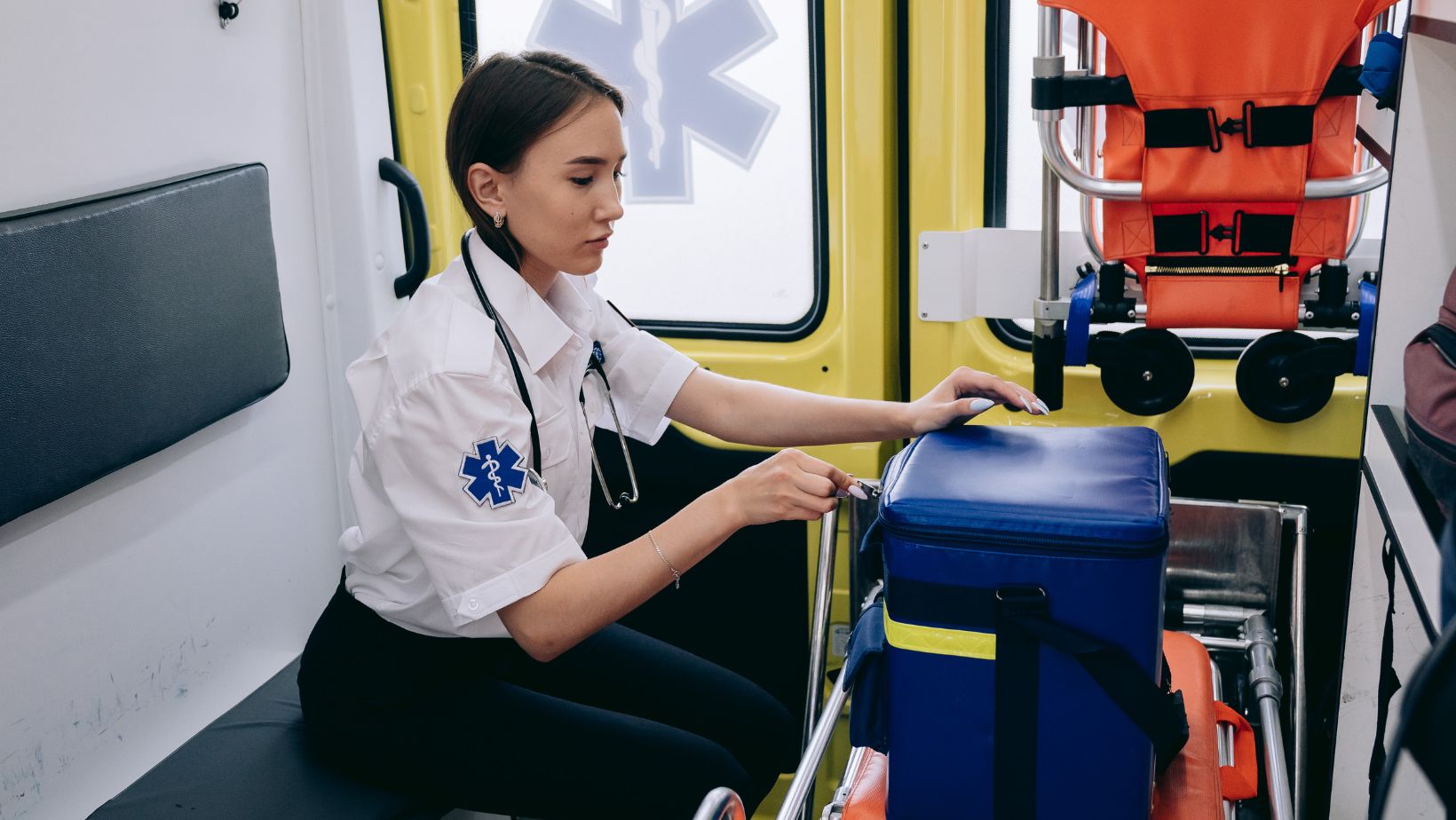
High-level sports have always involved an element of risk. From motorsports and alpine skiing to football, cycling, and extreme endurance events, athletes regularly push physical limits in unpredictable environments. As competitions grow faster and more demanding, the systems designed to protect athletes have evolved as well. One of the most critical yet often unseen components of modern sports safety is emergency medical air support.
When severe injuries occur, time is the most decisive factor. Rapid access to advanced medical care can significantly influence outcomes in cases involving head trauma, spinal injuries, internal bleeding, or cardiac emergencies. Ground transport is not always sufficient, particularly at remote venues or crowded stadiums where traffic and terrain create delays. This is where medical helicopters play an essential role.


Why Air Medical Support Matters at Sporting Events
Large sporting events often take place far from urban trauma centers. Mountain races, desert rallies, offshore competitions, and rural marathons are especially challenging environments for emergency response teams. Even traditional stadium sports can present logistical difficulties when thousands of spectators surround a venue.
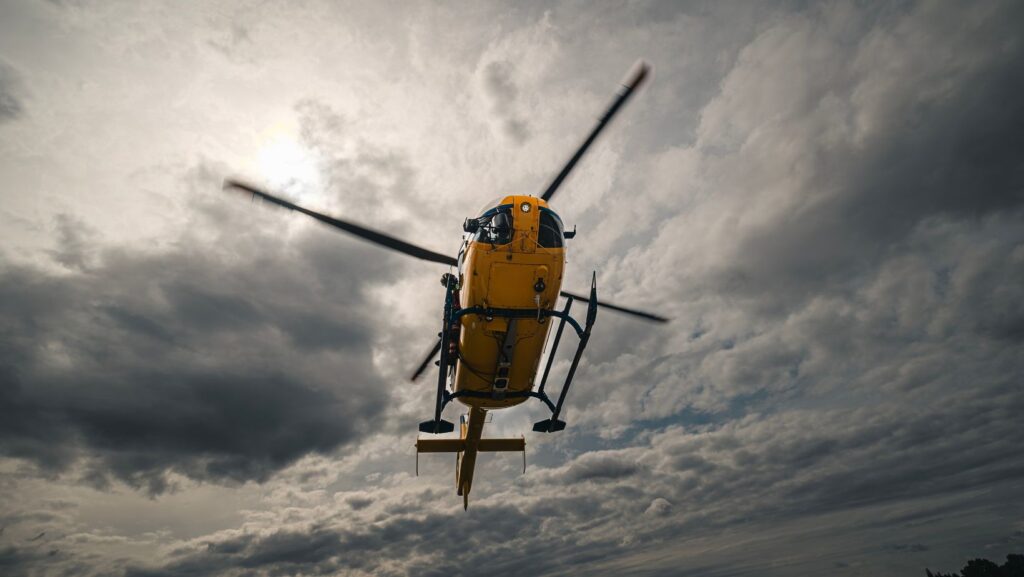
Medical helicopters allow trained flight crews to bypass obstacles and transport injured athletes directly to appropriate medical facilities. This reduces transfer times and ensures continuity of care during the most critical moments after an incident. For professional sports organizations, race directors, and governing bodies, air medical coverage has become a standard part of risk management planning.
Beyond transport, many air medical teams include highly skilled clinicians capable of delivering advanced life support in flight. This capability is particularly valuable when injuries require immediate stabilization before reaching a hospital.
Athlete Safety and Event Preparedness
Sports safety today extends far beyond protective gear and on-site medical tents. Comprehensive emergency planning now includes coordination between event organizers, local hospitals, and air medical providers. Clear landing zones, communication protocols, and pre-event simulations are often established well before competition begins.
For international tournaments and multi-day events, organizers frequently rely on specialized medical aviation partners that understand both regulatory requirements and the fast-paced nature of sports environments. These partners ensure aircraft availability, crew readiness, and compliance with aviation and medical standards.
Organizations such as Helimeds are part of a global network that supports emergency medical aviation by providing access to helicopters, medical transport coordination, and specialized expertise for time-sensitive situations. Their role highlights how aviation and healthcare intersect to support athlete welfare when every second matters.
High-Risk Sports and Air Response
Certain sports place participants at a higher risk of serious injury. Motorsports accidents can involve high-speed impacts, while cycling crashes may occur far from immediate medical facilities. Winter sports often take place in mountainous regions where road access is limited or weather conditions are unpredictable.
In these scenarios, helicopters are not a luxury but a necessity. They enable medical teams to reach injured athletes quickly, even in difficult terrain, and evacuate them safely. For endurance sports, where athletes may experience dehydration, heat stress, or cardiac events, rapid response can be lifesaving.
Importantly, air medical support also benefits officials, staff, and spectators. Large-scale sporting events effectively create temporary cities, and emergency readiness must account for everyone on site.
The Human Factor: Training and Coordination
The effectiveness of medical air support depends on more than aircraft availability. Coordination between ground medics, flight crews, pilots, and hospitals is critical. Clear communication ensures that the right level of care is delivered at the right time.
Sports organizations increasingly work with experienced aviation medical partners that understand these complexities. Pre-event planning includes mapping flight paths, identifying trauma centers, and establishing contingency plans for adverse weather or multiple incidents.
This integrated approach reflects a broader shift in sports culture, where athlete health is treated as a long-term priority rather than a secondary concern.
Safety as a Competitive Standard
As sports continue to evolve, expectations around safety will only increase. Fans, sponsors, and athletes themselves now demand transparency and preparedness from event organizers. Emergency medical air support has become part of the benchmark for responsible sports management.
While spectators may never see the helicopters on standby, their presence represents a commitment to protecting lives in high-pressure environments. From grassroots competitions to international championships, the integration of aviation medical services demonstrates how technology and planning can work together to reduce risk.
In the end, sports are about performance, passion, and resilience but ensuring that athletes receive immediate, expert care when things go wrong is what allows competition to move forward responsibly.