

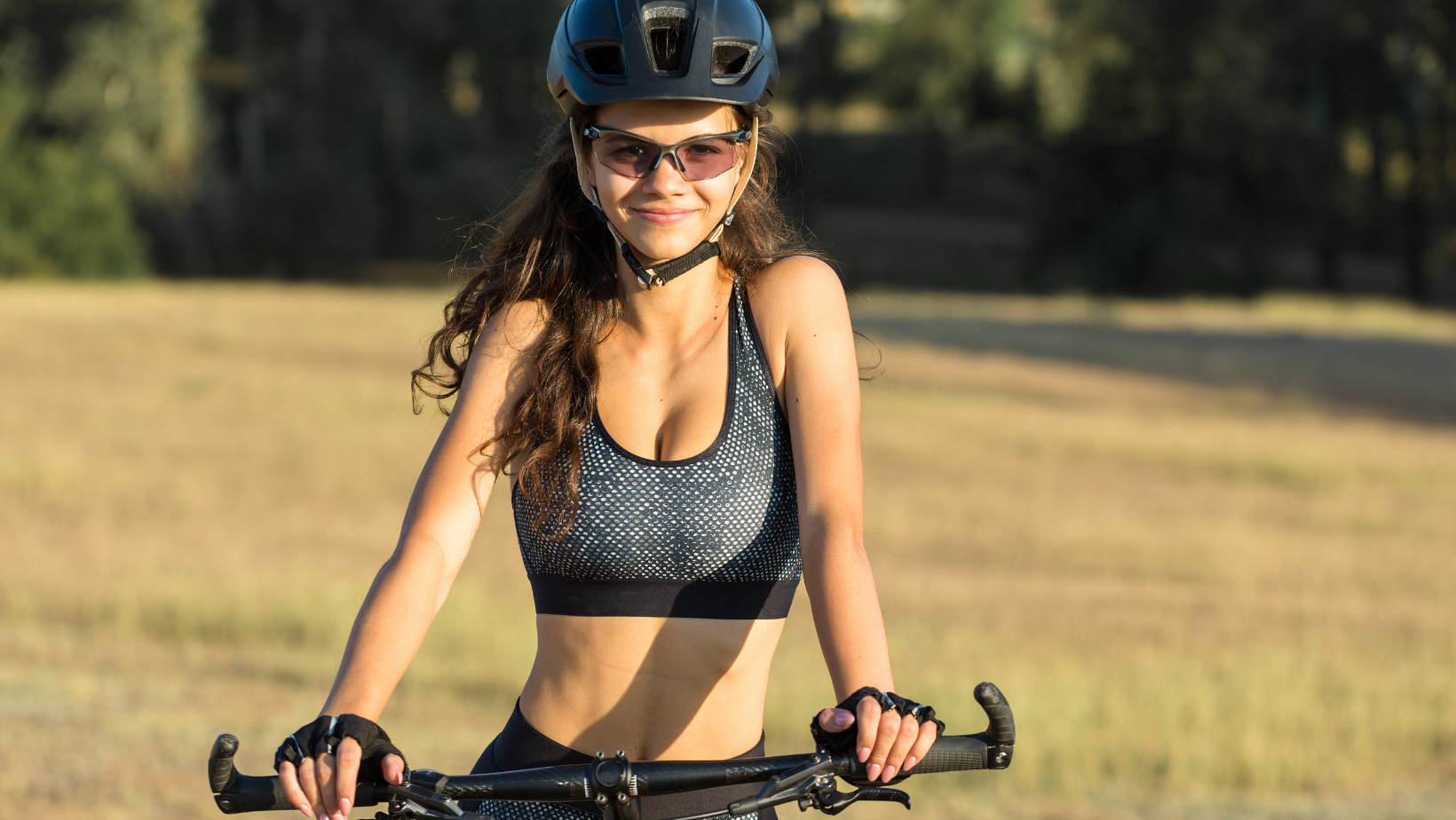
Road biking at high speed changes everything, including how your eyes respond to wind, glare, and shifting light. At 25 miles per hour or more, even minor visual distractions can affect reaction time and control. The right sunglasses are not just about style. They protect your vision, improve clarity, and help you stay focused when speed and precision matter most.
Why High-Speed Road Cycling Demands Specialized Eyewear
When you ride fast, your eyes are exposed to intense airflow, road debris, insects, and bright sunlight. Ordinary eyewear often fails under these conditions. At high speeds, wind can cause dryness and irritation, leading to blurred vision or excessive blinking.


Specialized cycling sunglasses are designed to reduce these issues. They provide full UV protection to guard against long-term sun damage while maintaining optical clarity across the entire lens. High-quality lenses also enhance contrast, making it easier to detect subtle changes in road texture, potholes, or gravel.
At speed, your ability to read the road quickly can prevent accidents. Proper sunglasses support that awareness.
Coverage and Aerodynamics: Protection at 25+ mph
At high speeds, coverage matters more than most riders realize. Wraparound designs shield your eyes from wind entering at the sides. This not only improves comfort but also reduces tear production that can blur your sight.
Aerodynamics also plays a role. Streamlined frames reduce drag and sit closer to the face, limiting air turbulence around the eyes. While sunglasses may seem small compared to a helmet or bike frame, every detail contributes to efficiency at racing pace.
Full coverage also protects against debris kicked up by passing vehicles or other cyclists. On open roads, especially during group rides or races, this protection becomes essential.
Exploring performance-focused sunglasses designed for speed ensures you get models engineered with both protection and airflow in mind.
Fit, Stability, and Comfort on Long Rides
A secure fit is critical during high-speed riding. If your sunglasses slip while descending or sprinting, even a brief adjustment can disrupt focus.
Look for adjustable nose pads and temple grips that stay in place when you sweat. Lightweight frames reduce pressure on the bridge of your nose and behind your ears during long rides. When eyewear feels balanced, you forget it is there.
Stability also affects lens alignment. If frames bounce or shift, your field of vision changes slightly with every movement. At high speeds, that inconsistency can be distracting. A well-fitted pair remains steady over rough pavement and during sudden head turns.
Comfort becomes even more important during rides that stretch for hours. The right fit prevents fatigue and allows you to concentrate fully on pacing and positioning.
Frame Materials and Durability
Road biking exposes eyewear to constant vibration, UV exposure, and occasional impact. Durable frame materials help sunglasses maintain shape and performance over time.
High-performance cycling frames often use lightweight yet strong composites. These materials resist cracking and maintain flexibility without feeling fragile. Impact-resistant lenses provide added reassurance if stones or debris strike the surface.
Durability is not just about surviving crashes. It is about long-term reliability. Sunglasses that maintain structural integrity continue to provide consistent optical clarity and protection ride after ride.
Investing in strong materials ensures your eyewear can handle both training sessions and race day intensity.
Matching Sunglasses to Your Riding Style
Not all road cyclists ride the same way. Your riding style should influence your choice.
Competitive racers often prefer aggressive wraparound designs with maximum coverage and minimal weight. Endurance riders may prioritize ventilation and comfort for long distances. Recreational cyclists might value versatility for both riding and casual wear.
Lens tint selection also depends on where and when you ride. Darker lenses work well in bright midday sun, while lighter or photochromic lenses adapt better to changing conditions during early morning or evening rides.
Understanding your typical routes and light exposure helps narrow your options. Sunglasses that match your riding habits provide better performance and comfort.
Budget vs. Premium: What Actually Matters?
Cycling sunglasses range from affordable options to premium performance models. The key is understanding which features truly impact your ride.
Basic UV protection is non-negotiable at any price point. However, higher-end models often offer enhanced optical clarity, better contrast, improved durability, and more secure fit systems.
Premium lenses may reduce distortion across the entire field of vision, which becomes especially noticeable at high speed. Advanced coatings can also minimize glare more effectively.
That said, not every rider needs the most expensive model. Focus on fit, coverage, UV protection, and lens quality first. If a mid-range pair delivers these essentials reliably, it may serve you well.
The goal is not simply to spend more. It is to choose eyewear that supports safety and performance at the speeds you ride.
Conclusion
High-speed road cycling demands more from your sunglasses than casual riding ever will. Protection from wind and debris, full UV coverage, stable fit, and durable materials all play essential roles in maintaining clarity and focus.
The right pair enhances reaction time, reduces strain, and keeps your vision sharp during fast descents and long climbs. By prioritizing coverage, comfort, and lens performance, you equip yourself with eyewear that keeps pace with your ride.
When speed increases, so should the quality of your gear. Choose wisely, and let your sunglasses support every mile ahead.