

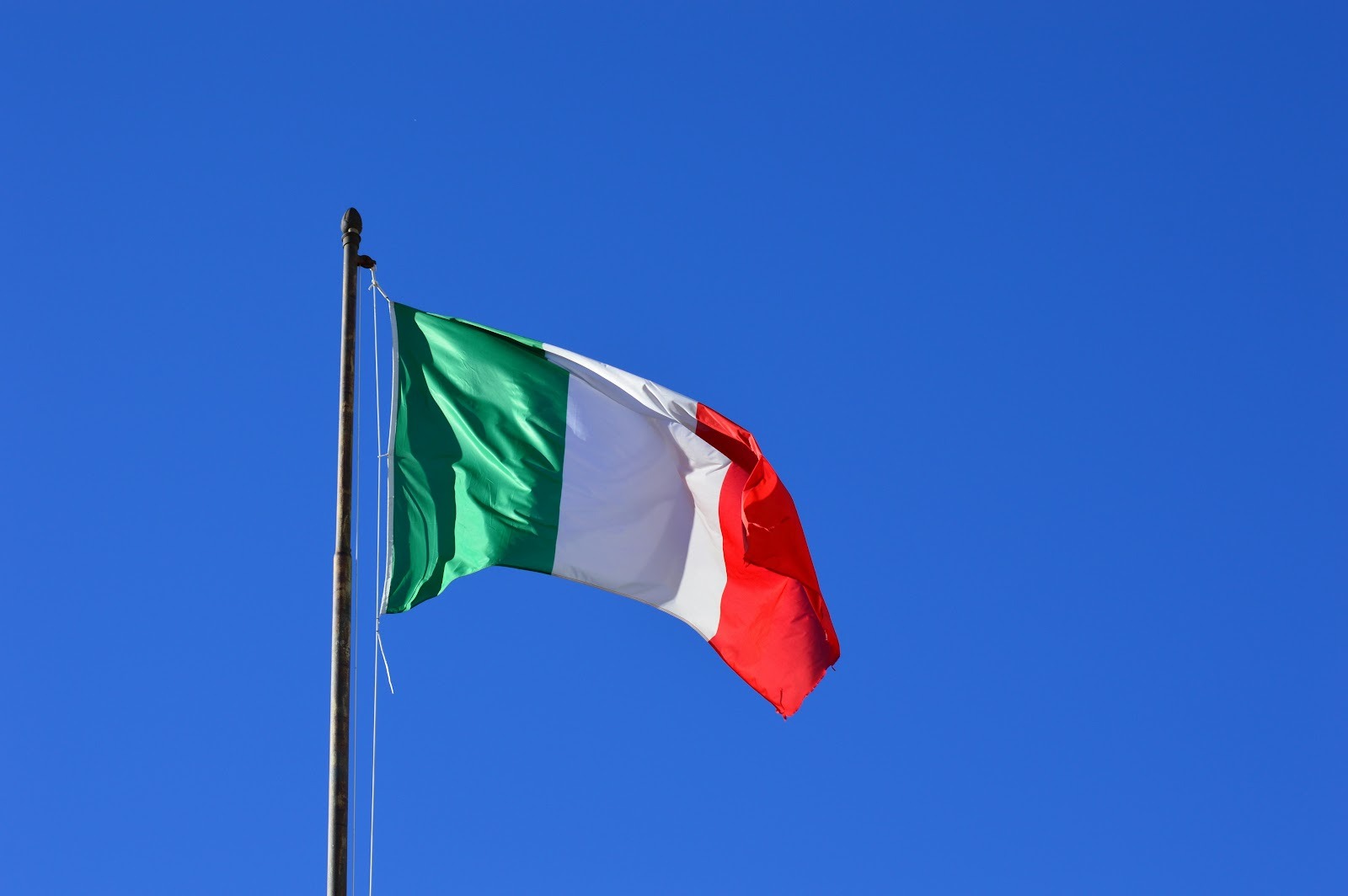
Scrutiny began after Italy was granted hosting rights for the 2026 Winter Olympics. The cost of the event is estimated at billions of euros, and the central question is not whether Italy will be able to host a spectacular event, but whether the investment will yield economic, social, and infrastructural returns. History is ambivalent, and the peculiar construction of Milan-Cortina puts it on the border of apprehension and financial speculation.
The Cost Structure Behind Milan–Cortina
The Winter Olympics 2026 will be spread across northern Italy, unlike traditional hosts, which focus spending in a single metropolitan region. Milan, Cortina d’Ampezzo and a number of Alpine locations will share the hosting responsibility. This decentralized model contributes greatly to the fact that massive, one-time construction is not required in this model and this has always been a contributor to the high budgets in the Olympics.


Italy has also focused on using existing infrastructure, especially ice rinks, ski resorts, and transport networks. Although this strategy reduces the chances of post-Games white elephants, high costs cannot be avoided. Infrastructure, transport, security, facilities, and technology are all significant fiscal burdens, particularly for a nation already dealing with excessive government debt.
Economic Upside and Tourism Potential
It seems that the advocates of the Games base their arguments on the fact that Milan–Cortina is a strong economic proposition given Italy’s existing tourism attractions. Northern Italy already attracts millions of tourists every year, and the Olympics is a worldwide promotional platform that few advertising campaigns could compete with. It is believed that the visibility of the Alps, Lombardy and Veneto regions will go far beyond the year 2026.
The revenue generated by tourism is expected to be channeled to the hotels, restaurants, transportation agencies, and local companies. As a financial and fashion capital of the world, Milan will benefit from increased business travel and greater foreign exposure. Cortina d’Ampezzo, on the other hand, could see a long-term boost in high-end winter tourism if the Olympic presence can be translated into lasting demand.
Media Rights, Sponsorship, and Global Attention
Olympic revenue is generated primarily through media rights and sponsorships rather than ticket sales and tourism. Italy is an indirect beneficiary of the centralized deals the International Olympic Committee has with broadcasters, which inject cash into the host’s operations and legacy projects.
The commercial ecosystems surrounding it are also driven by global attention. The Olympics are becoming more and more about data-based sports analysis and branded content in a digital-first economy. This is for audiences who follow sports globally and are involved in predictive modeling, sports performance metrics, and even the finest sportsbooks for Olympic betting, as the Games are now intersected with entertainment, analytics, and regulated betting markets worldwide.
Employment, Infrastructure, and Long-Term Value
Infrastructure modernization is one of the best reasons to host. Digital connectivity projects, road upgrades, and rail upgrades associated with the Games can deliver long-term value if implemented efficiently. In the case of northern Italy, the mobility of their region would be more beneficial in terms of trade, tourism and workforce after the Olympic flame is snuffed.
The benefits of short-term jobs are also high. Thousands of temporary jobs are created in construction, logistics, hospitality and event operations, and the transfer of skills in fields like event management and sports technology could boost the overall service economy of Italy. The problem is how to ensure that these advantages do not disappear as soon as the Games are over.
The Risks Italy Cannot Ignore
Even after planning, there are cautionary stories about the history of the Olympics. The most tenacious threat is cost overruns. Budgets may become unpredictable, and budgetary estimates may be easily swelled by inflation, supply chain disruptions, and unexpected security needs. A lack of public trust in how Olympic money is being spent will increase when taxpayers feel that Olympic expenditure is not related to normal economic conditions.
There is also reputational risk. Any failure in the venues’ functioning, environmental scandals, or underutilization of the venues after the Games would tarnish the long-term story Italy seeks to create. With increased skepticism about social expenditure and sustainability, there is little room to lose.
A Measured Bet on a New Olympic Model
Overall, the 2026 Winter Olympics bring many benefits to Italy, but this will not be measured in terms of spectacle but rather in terms of discipline. The city of Milan-Cortina is an experiment of a smart, lighter Olympic model of reuse, local collaboration, and planning. Providing expenses are managed, and infrastructure provides long-term utility, the Games might represent a precedent of a financially responsible Olympics.
Italy does not wager on change, but rather on the intensification of the assets it already has. The result will not only determine Italy’s economic legacy but also shape the future roadmap for hosting sports events globally in a world that is becoming cost-conscious.