

Society often glorifies the idea of being “unshakable.” We admire the person who can stay calm in a storm, keep their head down, and push through any amount of work without complaining. This has created a dangerous mirage—the belief that if we simply ignore pressure, it will lose its power over us. We treat stress like an unwanted guest that will eventually leave if we refuse to open the door.
Many people try to manage this by staying incredibly busy, perhaps by filling out an anti procrastination planner to ensure every minute is accounted for, hoping that organization will drown out the feeling of being overwhelmed. However, the truth is that pressure is a physical and psychological force. Ignoring it doesn’t make it disappear; it simply allows that force to accumulate in your blind spots, where it can do the most damage without you noticing.


The Physics of Internal Stress
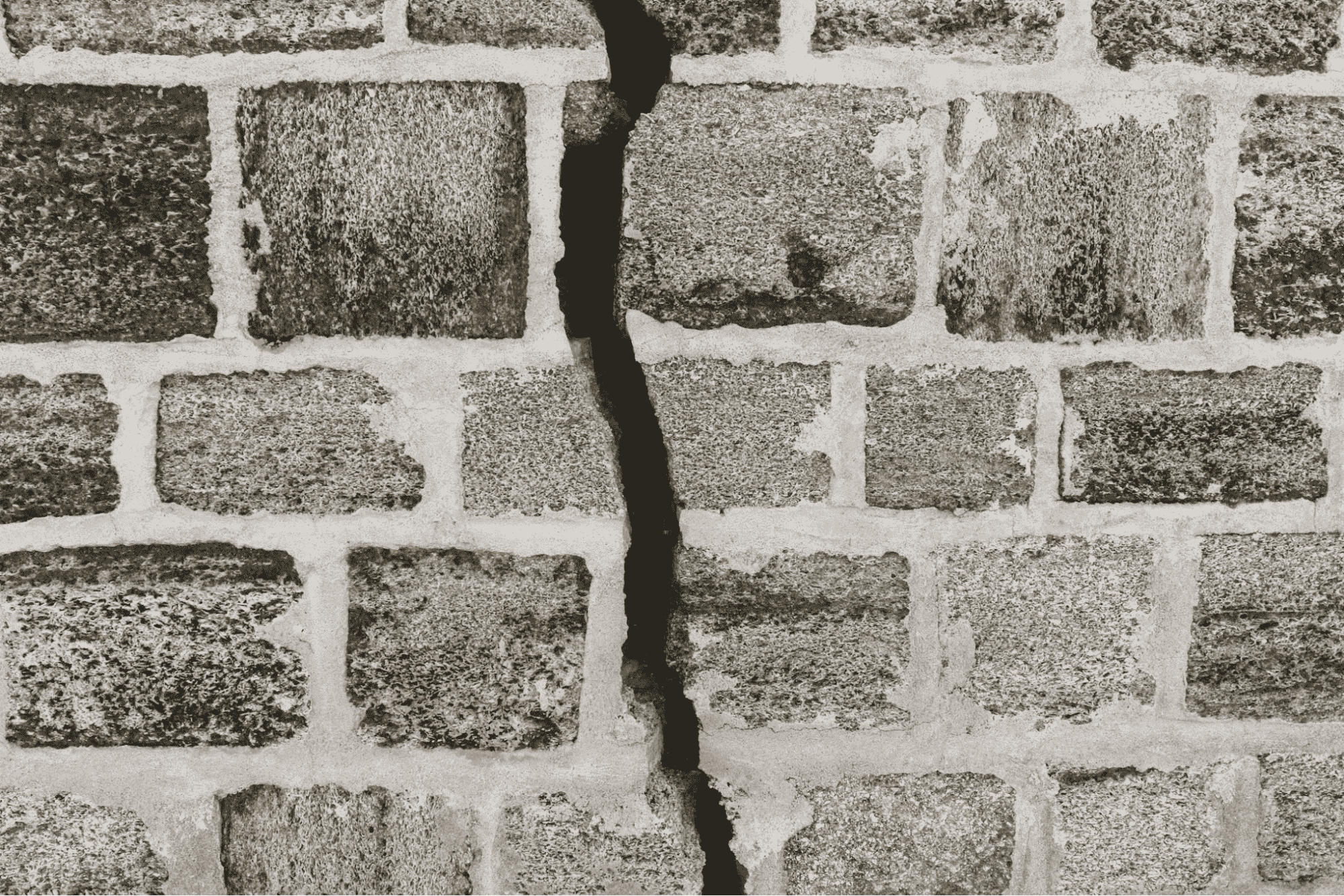
Think of your mind and body like a physical structure, such as a bridge. Every bridge is designed to carry a certain amount of weight, known as its load capacity. When you add more cars and trucks than the bridge was built for, the structure begins to strain. You might not see the cracks immediately, but the tension is there, deep within the steel and concrete. Human beings are the same. We have a limited capacity for how much pressure we can handle before our systems begin to wear down.
Even when you aren’t thinking about the pressure, your brain is still processing it. The amygdala, which acts like your brain’s security office, treats unacknowledged pressure as a constant, low-level threat. It keeps your body in a state of “red alert,” pumping out small amounts of stress hormones all day long. This is the difference between a single stressful event and a steady, ignored “drip” of chronic pressure. Over time, this drip fills the bucket until it overflows, leading to a type of fatigue that no amount of weekend rest can fix.
Common Ways We Look Away
Because pressure feels uncomfortable, we develop clever ways to avoid looking at it. One of the most common methods is “toxic positivity.” This is when we tell ourselves to just stay positive and focus on “good vibes,” even when we are drowning in responsibilities. By forcing a smile, we deny ourselves the chance to solve the actual problem causing the stress. We treat the symptom (the bad feeling) rather than the cause (the excessive pressure).
Another common distraction is “busy-bragging.” We use a packed schedule as a shield. If we are constantly moving, answering emails, and running errands, we don’t have to sit still and feel the weight of our lives. We use movement to numb the sensation of overwhelm. Similarly, we might turn to “numbing behaviors” like endless scrolling on social media, over-consuming caffeine to stay alert, or becoming a workaholic. These are all attempts to outrun the pressure, but since the pressure is inside us, we can never truly get away.
The Warning Signs of Structural Failure
When pressure is ignored for too long, the system eventually begins to show signs of structural failure. One major red flag is “cognitive tunneling.” This happens when your brain is so overloaded that your focus narrows down to only the most immediate, urgent tasks. You lose the ability to see the big picture, your creativity vanishes, and you start making simple mistakes. You are no longer driving the car; you are just trying to keep it from hitting the wall.
You might also notice “emotional brittleness.” This is when you find yourself suddenly snapping at a friend or crying over a small inconvenience, like a broken pencil or a slow internet connection. It’s not about the pencil; it’s about the mountain of ignored pressure that has made your emotional foundation fragile. Physical symptoms often follow, such as tension headaches, a clenched jaw, or difficulty staying asleep. Your body is trying to scream what your mind is trying to ignore: the load is too heavy.
From Avoidance to Management

The only way to truly diffuse pressure is to look it in the eye. Acknowledgment is the first and most powerful step. When you name the pressure—for example, saying “I am feeling overwhelmed by this project and my family obligations”—you take the power away from the “invisible” threat. Naming it allows your brain to shift from a state of panic to a state of problem-solving. It moves the weight from your nervous system to your conscious mind.
Once you have acknowledged the pressure, you can move toward “active adaptation.” This means you stop trying to just “endure” the weight and start trying to change the environment. This might involve setting a hard boundary at work, asking for help with chores, or realizing that some of the expectations you are trying to meet are ones you created for yourself. Resilience isn’t about carrying an infinite load; it’s about knowing when the load is too heavy and having the courage to put some of it down.
Final Word
Ignoring pressure is like ignoring a leak in your roof—it might be easier in the short term, but eventually, the ceiling will come down. True strength is not found in pretending everything is fine, but in being honest about your limits. By facing the pressure today, you prevent the burnout of tomorrow. Take a moment right now to identify one source of pressure you have been pretending doesn’t exist. Write it down, and think of one small way you can address its weight. You don’t have to fix everything at once, but you do have to stop looking away.